What to Expect in a Professional Roof Assessment (and How to Book One Today)
June 4, 2026
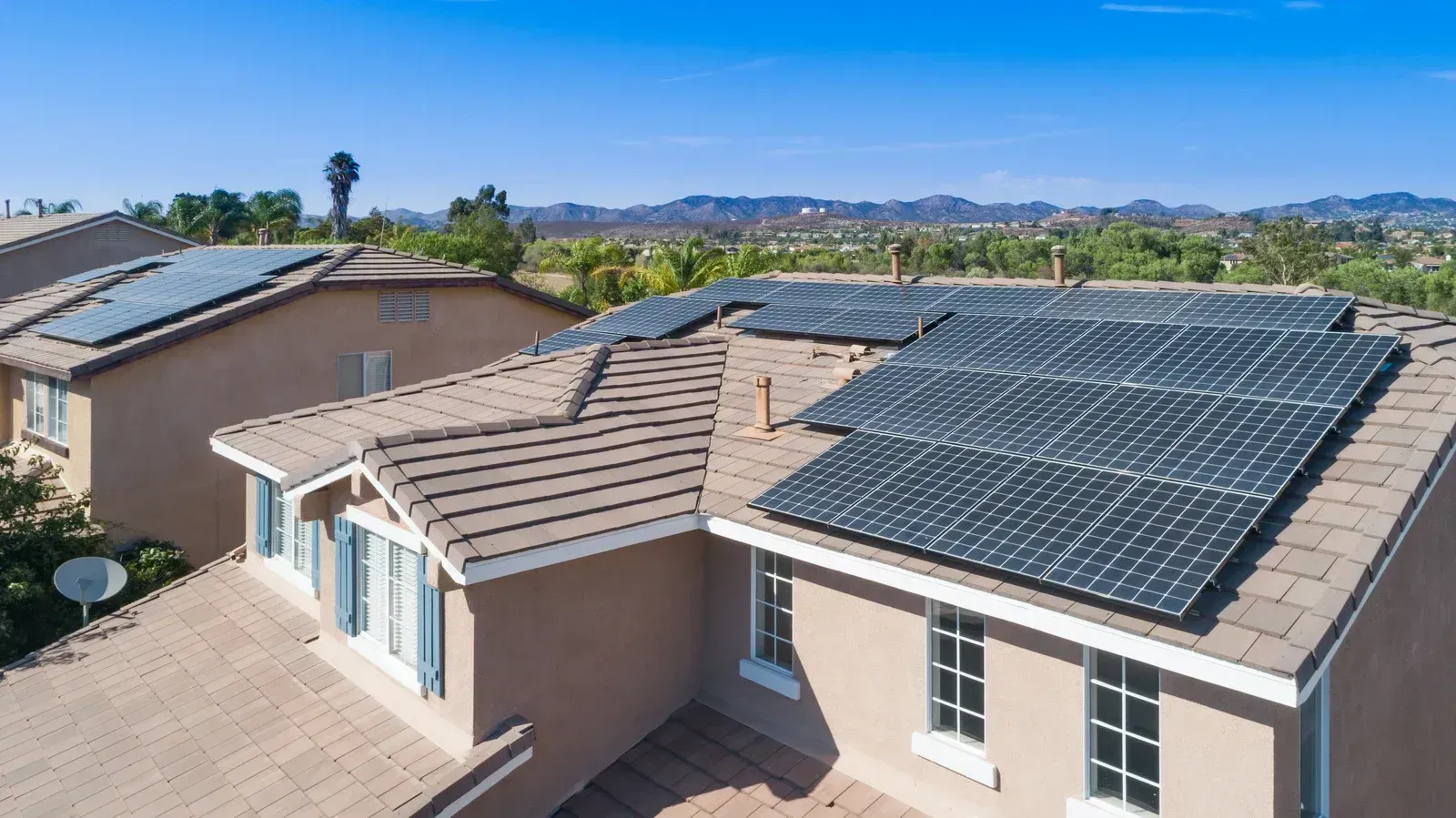
Your roof is one of the most important components of your property, yet it is often overlooked until a problem becomes impossible to ignore. From protecting the structure against weather damage to supporting energy efficiency and preserving property value, a roof performs a critical role every day. However, roofs are constantly exposed to sunlight, wind, rain, snow, temperature fluctuations, and debris, all of which contribute to gradual wear and deterioration. While obvious leaks and missing shingles may signal trouble, many roofing issues begin long before visible symptoms appear. This is why professional roof assessments have become an essential part of proactive property maintenance for homeowners and commercial property owners alike.
A professional roof assessment provides a detailed evaluation of the roof's condition, helping identify existing concerns, potential vulnerabilities, and maintenance needs before they develop into costly repairs. Whether you are purchasing a property, preparing for severe weather, filing an insurance claim, or simply protecting your investment, a comprehensive roof inspection offers valuable insight into the health of your roofing system. Understanding what happens during a professional roof assessment and how to schedule one can help property owners make informed decisions, extend roof lifespan, and avoid unexpected expenses that may arise from neglected roofing issues.
Why Professional Roof Assessments Matter
Preventing Costly Roofing Problems
One of the primary benefits of a professional roof assessment is the ability to identify issues before they become major financial burdens. Small concerns such as cracked shingles, loose flashing, minor leaks, or clogged drainage systems may appear insignificant at first. Over time, however, these problems can allow moisture intrusion that damages insulation, decking, ceilings, and structural components.
Professional inspectors are trained to identify warning signs that most property owners may miss. Early detection allows repairs to be completed while the damage remains limited and manageable. Investing in periodic assessments often costs far less than addressing extensive water damage or premature roof replacement.
Protecting Property Value
A well-maintained roof contributes significantly to overall property value. Potential buyers, lenders, and insurance providers frequently consider roof condition when evaluating a property. An assessment provides documented evidence of maintenance and helps reassure stakeholders that the roofing system has been properly cared for.
For homeowners considering a future sale, routine inspections can help prevent surprises during buyer inspections and strengthen negotiating positions.
Supporting Long-Term Roof Performance
Every roofing material has an expected lifespan, but longevity depends heavily on maintenance and timely repairs. Regular assessments help maximize the performance of asphalt shingles, metal roofing, tile systems, flat roofs, and other roofing materials.
Professional evaluations allow property owners to address wear patterns, weather damage, and aging components before they compromise the entire system.
What Happens During a Professional Roof Assessment
Exterior Roof Inspection
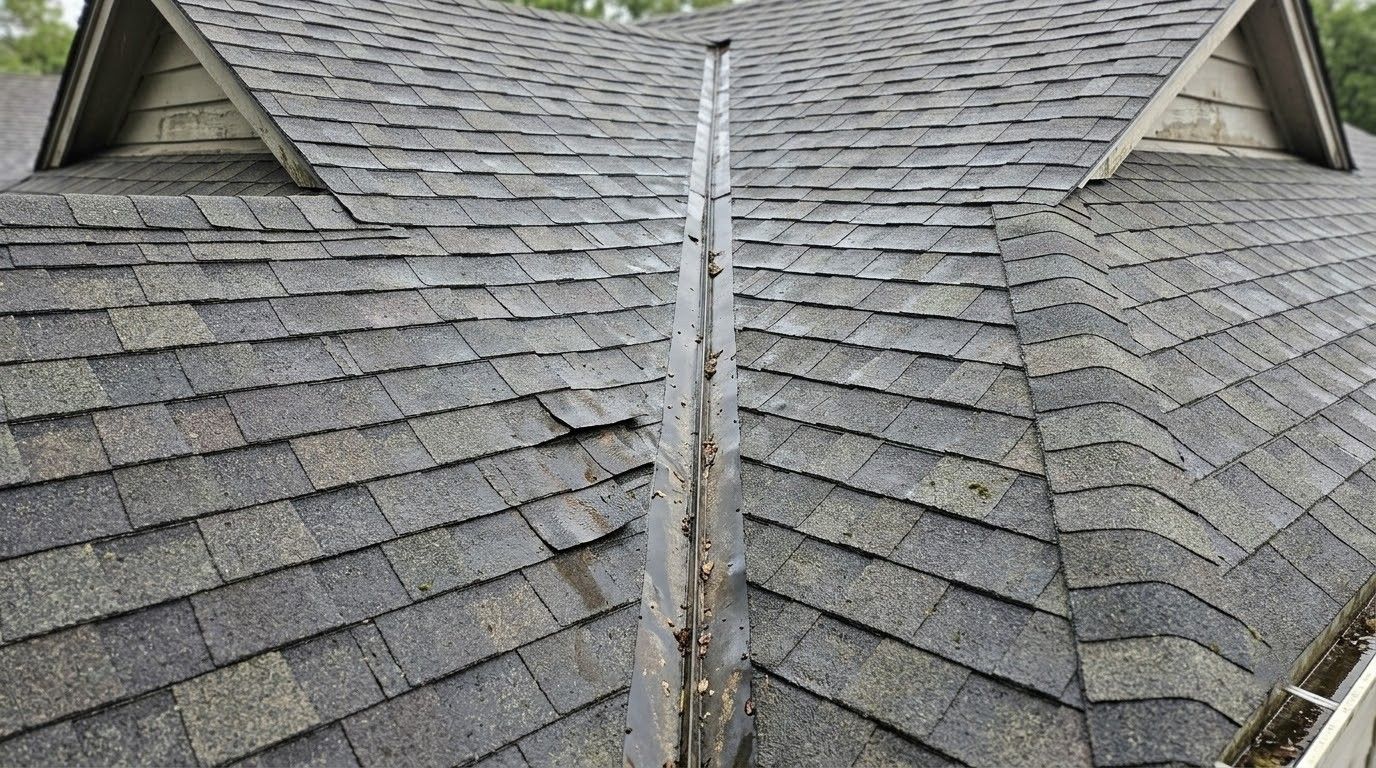
The assessment typically begins with a thorough examination of the roof's exterior surface. Roofing professionals inspect visible materials for signs of deterioration, damage, and aging.
Areas commonly evaluated include:
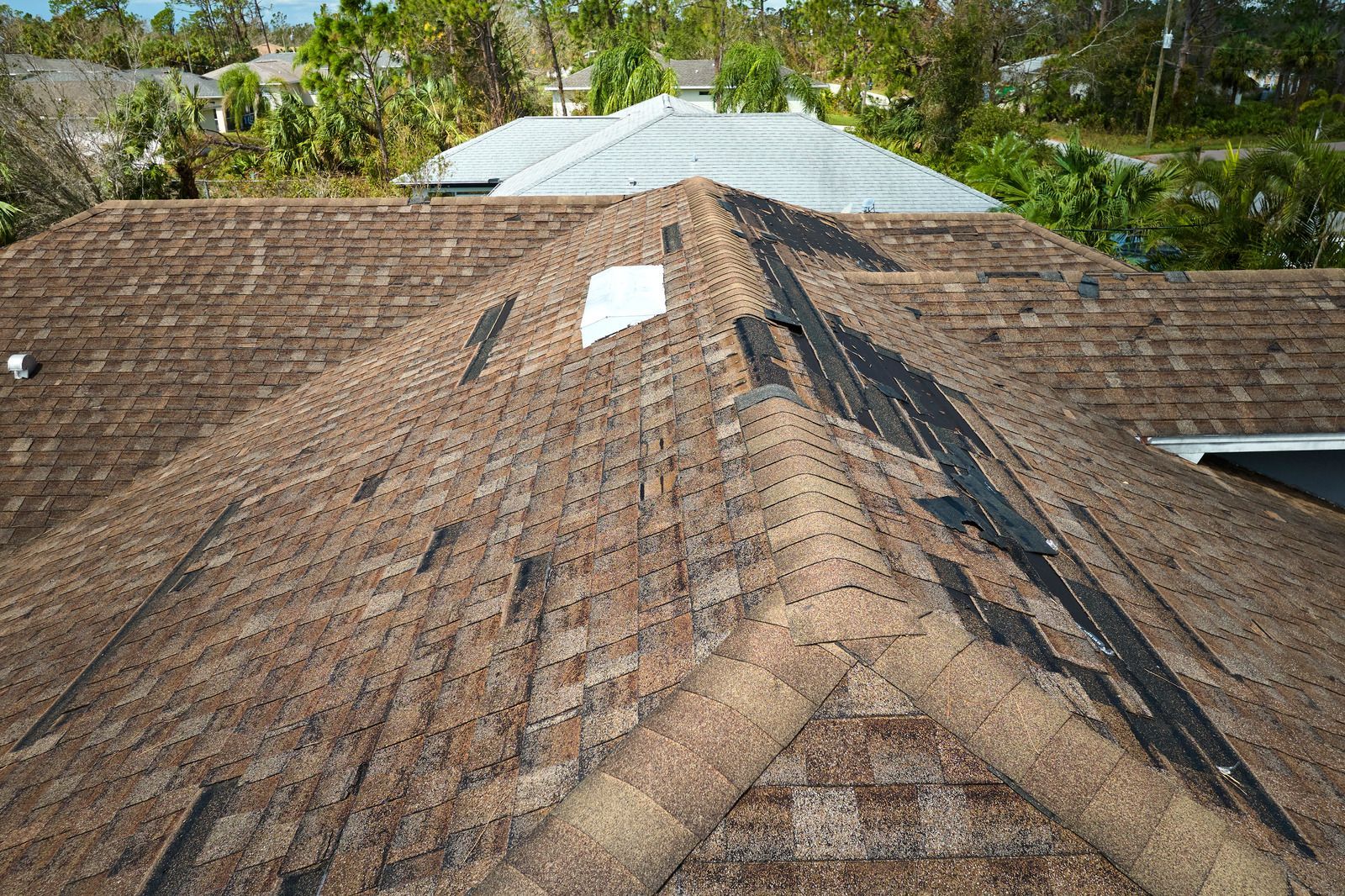
- Missing or damaged shingles
- Cracked or curled roofing materials
- Granule loss on asphalt shingles
- Rust or corrosion on metal roofs
- Broken tiles
- Storm-related damage
- Signs of previous repairs
Inspectors also assess the overall condition of roofing components and determine whether repairs or replacement may be necessary.
Flashing and Penetration Evaluation
Roof penetrations often represent vulnerable points where leaks develop. During the assessment, professionals examine flashing around:
- Chimneys
- Skylights
- Roof vents
- Plumbing stacks
- HVAC equipment
Damaged or improperly installed flashing can allow water infiltration even when the roofing surface appears intact.
Drainage System Inspection
Proper drainage is essential for preventing water accumulation and structural damage. Roof assessments typically include evaluation of:
- Gutters
- Downspouts
- Drainage channels
- Scuppers
- Roof slopes
Inspectors identify blockages, improper drainage patterns, and areas where standing water may create future problems.
Interior Components Examined During the Assessment
Attic and Ventilation Review
A professional roof assessment often extends beyond the roof itself. Inspectors may examine attic spaces to identify conditions affecting roof performance.
Key areas of focus include:
- Ventilation efficiency
- Insulation condition
- Moisture accumulation
- Mold development
- Airflow restrictions
Poor attic ventilation can accelerate roofing deterioration by trapping heat and moisture beneath the roof structure.
Signs of Water Intrusion
Interior inspections help reveal roofing issues that may not yet be visible from the exterior.
Professionals look for:
- Water stains
- Discolored ceilings
- Damp insulation
- Mold growth
- Wood rot
- Structural deterioration
These indicators often reveal hidden leaks that require immediate attention.
Structural Assessment
Roof inspectors also evaluate the condition of supporting structural components. Sagging areas, weakened decking, and compromised framing can affect the integrity of the entire roofing system.
Identifying structural concerns early helps prevent more extensive repairs and safety risks in the future.
Understanding the Roof Assessment Report
Detailed Documentation
Following the inspection, property owners typically receive a comprehensive report outlining findings and recommendations.
The report may include:
- Roof condition summary
- Photographic evidence
- Identified deficiencies
- Maintenance recommendations
- Repair priorities
- Estimated remaining roof lifespan
This documentation provides a clear understanding of the roof's current condition and helps guide future maintenance decisions.
Prioritizing Repairs
Not every issue discovered during an assessment requires immediate action. Professional reports often categorize findings according to urgency.
Common categories include:
Immediate Concerns
Issues requiring prompt attention to prevent further damage.
Near-Term Maintenance
Repairs that should be scheduled within the next several months.
Long-Term Planning
Recommendations for future budgeting and roof replacement planning.
This structured approach allows property owners to make informed decisions based on risk, budget, and priorities.
Insurance and Warranty Support
Roof assessment reports can also be valuable when working with insurance providers or warranty programs. Detailed documentation helps support claims and demonstrates proactive maintenance efforts.
Accurate records often simplify communication between property owners, contractors, and insurance representatives.
Common Roofing Problems Identified During Assessments
Storm Damage
Severe weather remains one of the leading causes of roof deterioration. Professional assessments frequently uncover damage caused by:
- High winds
- Hail impacts
- Heavy rain
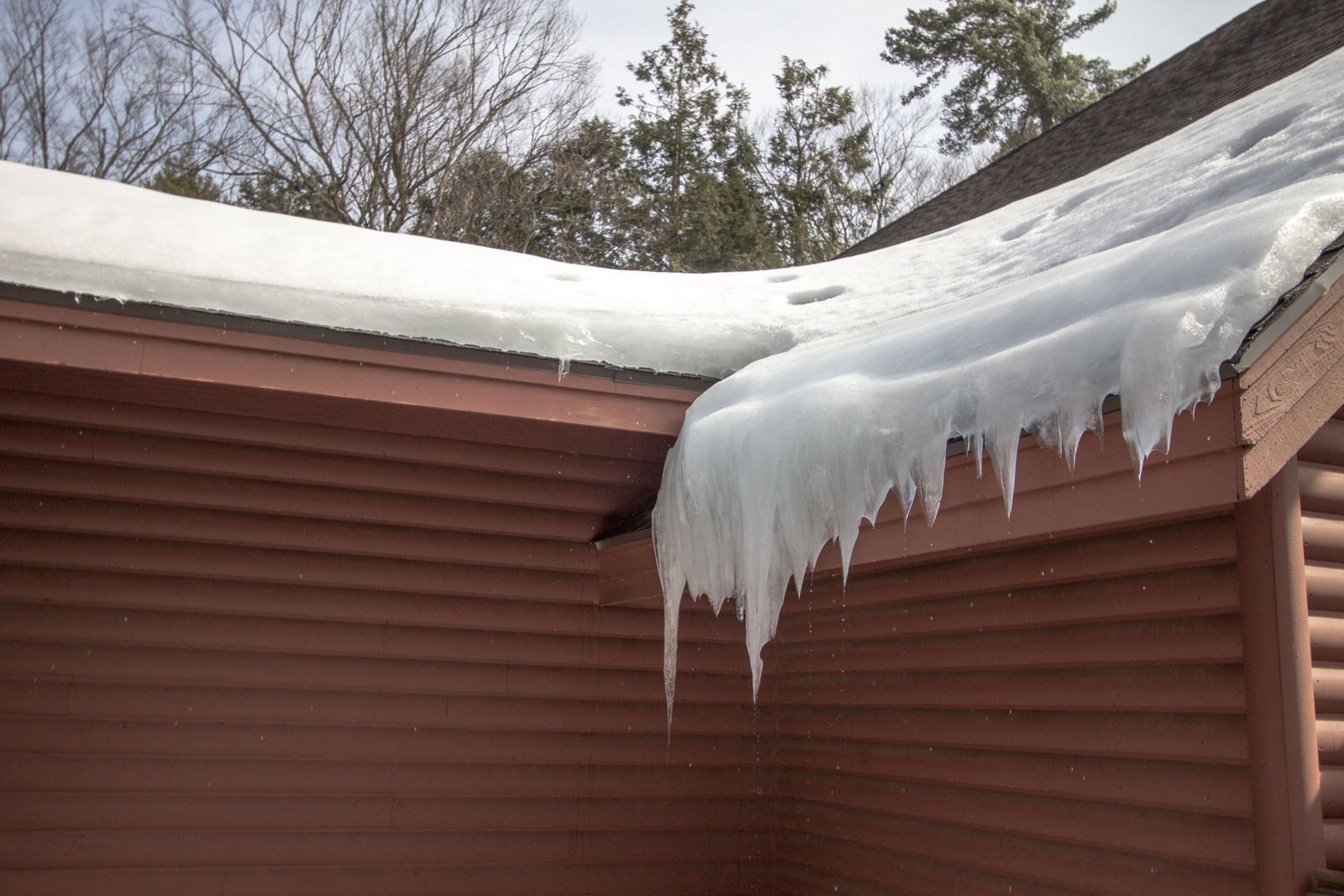
- Snow accumulation
- Falling tree limbs
Even when damage appears minor, hidden issues can compromise long-term roof performance.
Installation Deficiencies
Not all roofing problems result from weather or age. Poor installation practices can create issues that shorten roof lifespan and increase maintenance costs.
Assessments often reveal:
- Improper flashing installation
- Inadequate ventilation
- Incorrect fastening methods
- Poor sealing practices
- Substandard workmanship
Identifying installation deficiencies helps prevent recurring problems and protects the overall roofing system.
How to Book a Professional Roof Assessment Today
Research Qualified Roofing Professionals
The first step in scheduling a roof assessment is selecting an experienced roofing contractor. Look for professionals with proper licensing, insurance coverage, industry certifications, and a strong reputation for quality workmanship.
Customer reviews, referrals, and local experience can provide valuable insight into service quality and reliability.
Ask the Right Questions
Before scheduling an assessment, property owners should gather important information.
Questions may include:
- What does the assessment include?
- Will photographs be provided?
- Is a written report included?
- How long will the inspection take?
- Are drone inspections available?
- What are the associated costs?
Clear communication helps establish expectations and ensures a thorough evaluation.
Schedule at the Right Time
While roof assessments can be performed throughout the year, certain situations warrant immediate scheduling:
After Severe Weather
Storm-related damage should be evaluated as soon as possible.
Before Buying or Selling Property
Roof assessments provide valuable information during real estate transactions.
Before Major Repairs
Understanding the roof's overall condition helps guide repair decisions.
As Part of Routine Maintenance
Regular inspections help identify concerns before significant damage develops.
Prepare for the Inspection
Property owners can help facilitate the process by:
- Providing attic access
- Removing obstacles near roof access points
- Sharing previous repair records
- Discussing known concerns
Preparation helps inspectors complete a more comprehensive evaluation and deliver accurate recommendations.
Dedicated Roofing Professionals Focused on Protection
A professional roof assessment is one of the most valuable tools available for protecting a property's structural integrity, financial value, and long-term performance. Rather than waiting for visible leaks or major damage to appear, proactive inspections allow homeowners and property managers to identify issues early, prioritize repairs, and extend the lifespan of their roofing systems. From evaluating roofing materials and drainage systems to examining attic conditions and structural components, a comprehensive assessment provides a complete picture of roof health. Regular roof evaluations support smarter maintenance decisions, improve safety, strengthen insurance documentation, and reduce the likelihood of costly emergency repairs. Whether performed after severe weather, during a real estate transaction, or as part of a routine maintenance program, professional roof assessments offer peace of mind and valuable insight into one of a property's most important investments.
When property owners need reliable guidance regarding roof condition, professional expertise makes all the difference. Valley Roofing LLC, based in Southington, Connecticut, brings over 35
years of roofing experience to every assessment and service provided. We understand that every roof has unique challenges and maintenance requirements, which is why we take a thorough, detail-oriented approach to inspections and evaluations. Our goal is to help homeowners and property owners gain a clear understanding of their roofing system while providing honest recommendations that support long-term performance and protection. Through comprehensive roof assessments, quality workmanship, and a commitment to customer satisfaction, we help property owners make confident decisions that protect their homes and investments for years to come. A professional assessment today can help prevent costly surprises tomorrow while ensuring your roof continues to provide the protection your property deserves.