Roof Valley Leaking Where Two Slopes Meet? Why Valleys Fail First
October 19, 2026
Interior inspections help reveal roofing issues that may not yet be visible from the exterior.
Professionals look for:
- Water stains
- Discolored ceilings
- Damp insulation
- Mold growth
- Wood rot
- Structural deterioration
These indicators often reveal hidden leaks that require immediate attention.
Signs of Water Intrusion
Quick Answer: Roof valleys fail first because they are the busiest drainage channel on your roof. Water from two slopes, plus melting snow, funnels down one narrow line, so any weak spot in the flashing, underlayment, or shingle cuts gets tested every time it rains. Debris, worn metal, poor nail placement, and ice buildup are the usual causes. A ceiling stain that follows the path of a valley is a strong clue. Look from the ground, skip the ladder, and have a roofer trace the water to its source before the deck underneath starts to soften.
You notice it on a gray afternoon after a long rain: a faint brown ring on the ceiling, maybe in a bedroom corner or along the wall of the upstairs hallway. You check the usual suspects. The plumbing is dry. The window above it is fine. Then you step outside, look up, and realize the stain sits almost directly beneath the line where two sections of your roof come together.
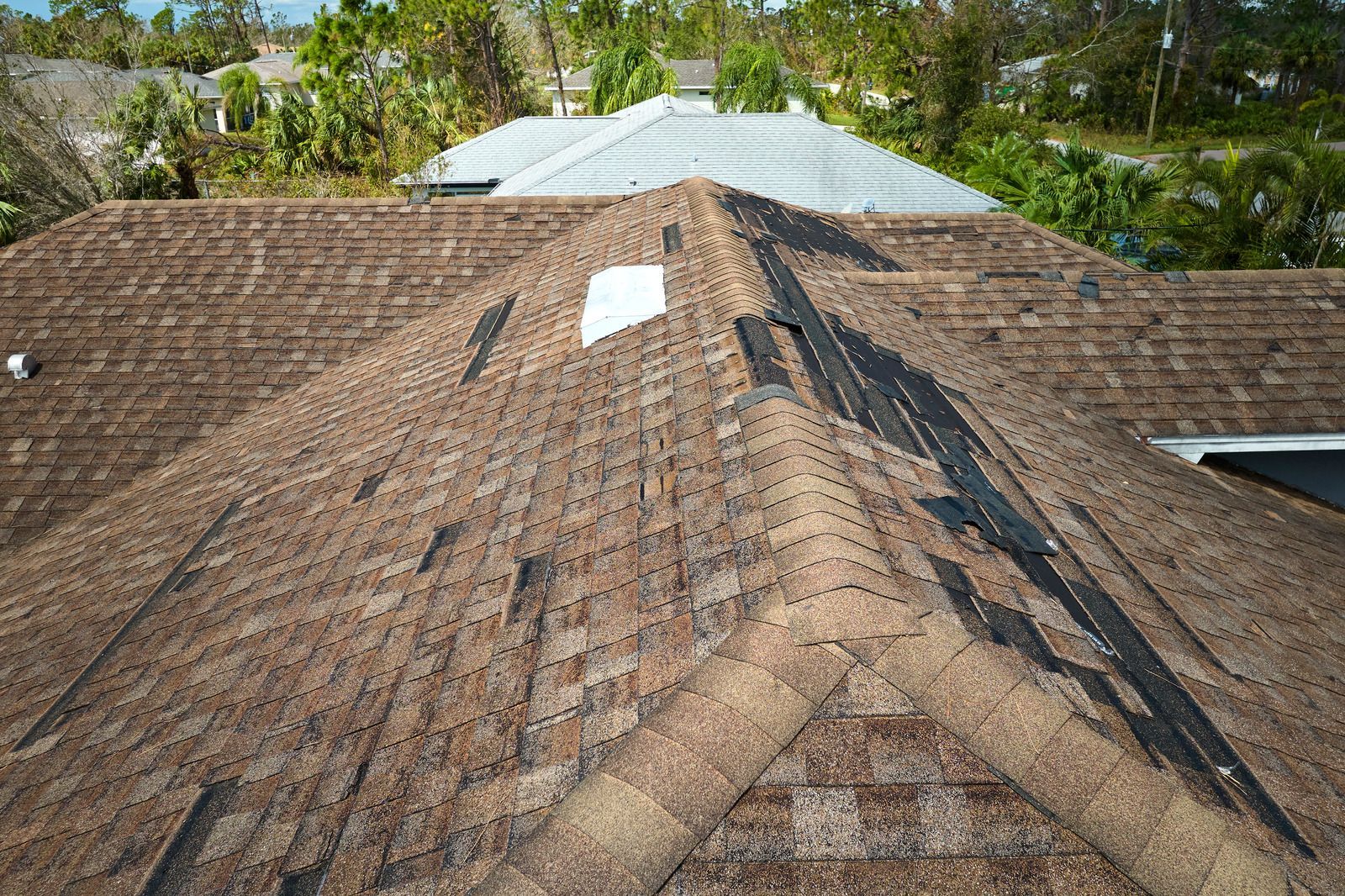
That line is the valley, and it is one of the hardest working parts of your roof. It does not look like much from the driveway, just a crease where one slope meets another. But nearly every drop of water that lands on those two slopes ends up traveling through it on the way to the gutter.
If you live in Connecticut, that job gets harder. Wet autumns, heavy nor'easters, and a winter of snow that melts, refreezes, and melts again all push more water through that narrow channel than a flat stretch of shingles ever sees. Understanding why valleys fail first makes it a lot easier to spot trouble early and to know what a real repair looks like.
Interior inspections help reveal roofing issues that may not yet be visible from the exterior.
Professionals look for:
- Water stains
- Discolored ceilings
- Damp insulation
- Mold growth
- Wood rot
- Structural deterioration
These indicators often reveal hidden leaks that require immediate attention.
Signs of Water Intrusion
What a Roof Valley Actually Does
A valley forms wherever two roof planes slope toward each other, such as where a garage roof meets the main house, or where a dormer joins the larger roof. Its job is to collect water from both sides and carry it down to the eave and into the gutter without letting any of it slip underneath the roofing.
Think about how much water that is. A single slope might shed rain across its whole width, spread thin. In a valley, the runoff from two slopes gathers into one stream that moves faster and carries more volume the farther down it goes. By the time water reaches the lower end of a long valley, it is behaving more like a small creek than a sheet of rain.
That concentration is the reason valleys fail first. The rest of your roof can have a few tired shingles and still keep water out, because the water spreads out and drains quickly. A valley has no such margin. If the protection in that one line has a gap, water finds it.
Interior inspections help reveal roofing issues that may not yet be visible from the exterior.
Professionals look for:
- Water stains
- Discolored ceilings
- Damp insulation
- Mold growth
- Wood rot
- Structural deterioration
These indicators often reveal hidden leaks that require immediate attention.
Signs of Water Intrusion
Open, Closed, and Woven Valleys
Not every valley is built the same way, and the style on your roof affects where problems tend to show up.
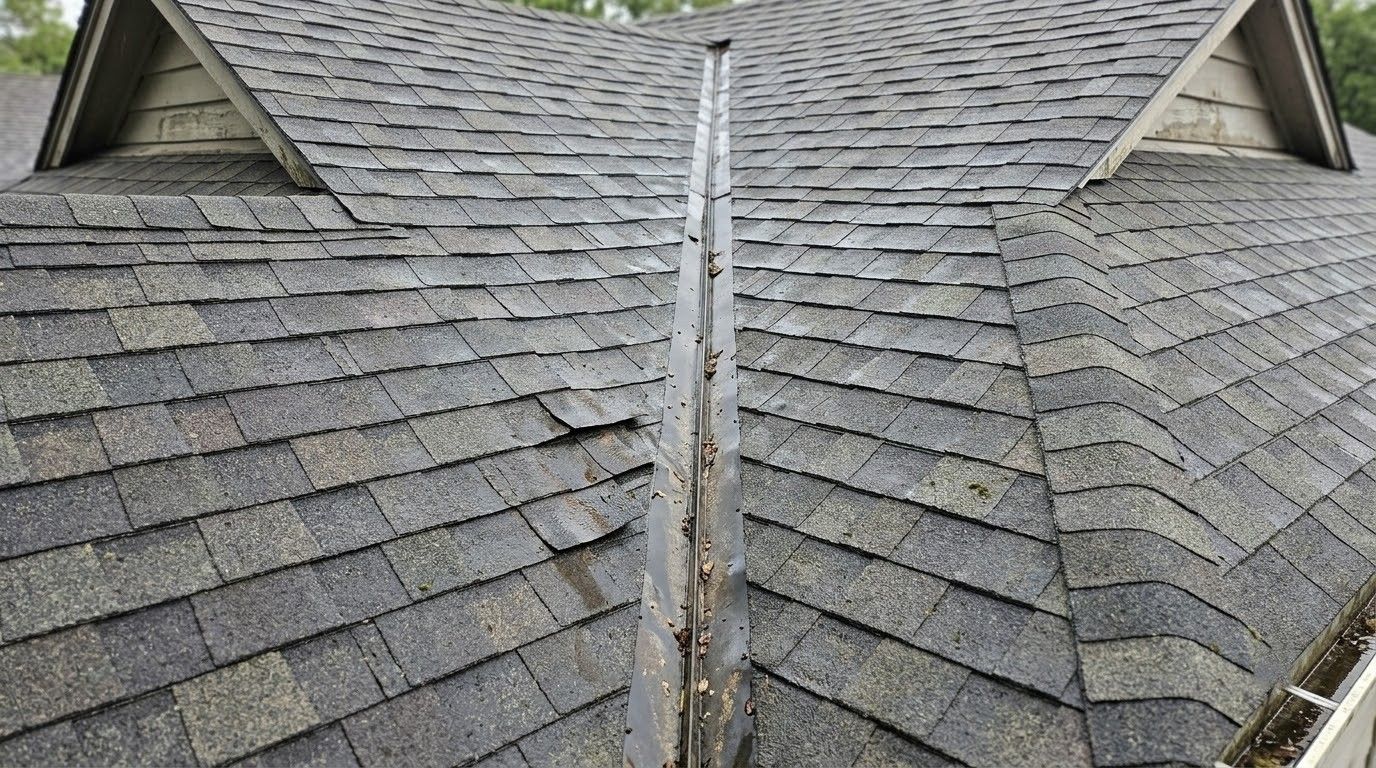
An open valley has a strip of metal flashing visible down the center, with shingles trimmed back on either side. The metal carries the water, and shingles never sit in the main flow. Metal options include galvanized steel, stainless steel, aluminum, and copper. A properly built open valley uses flashing about 24 inches wide, with overlaps at the joints and nails kept well out at the edges rather than in the channel.
A closed valley is covered completely by shingles, which gives a cleaner, more uniform look from the street. A woven valley interlocks shingles from both slopes in alternating layers. A closed cut valley runs the shingles from one slope across the valley and trims the other slope along a straight line, leaving a visible cut edge. Both rely on shingle overlap, nail placement, and the underlayment below to keep water out.
Neither style is automatically better. Open valleys shed water and debris well but show metal, and they depend on the flashing staying intact. Closed valleys look tidy but depend on careful installation, because a nail in the wrong spot or a shingle that lifts can open a path for water. What matters is whether the valley was built correctly for the style, and whether it has been looked at since.
Interior inspections help reveal roofing issues that may not yet be visible from the exterior.
Professionals look for:
- Water stains
- Discolored ceilings
- Damp insulation
- Mold growth
- Wood rot
- Structural deterioration
These indicators often reveal hidden leaks that require immediate attention.
Signs of Water Intrusion
The Most Common Reasons Valleys Leak
Most valley leaks trace back to a short list of causes, and a few of them are things you can see from the ground.
Debris Buildup
Leaves, pine needles, twigs, and grit collect in the crease, especially under overhanging trees. A mat of debris slows the water, makes it back up, and pushes moisture sideways under the shingle edges. It also holds dampness against the roof for days after the rain stops.
Worn Or Damaged Flashing
Metal in an open valley can rust, crack, or pull loose at the seams after years of expansion and contraction. A small pinhole or a lifted seam is enough to let a steady trickle through during a hard rain.
Installation Shortcuts
Valleys are detail work. Nails driven too close to the center line, shingles cut at the wrong angle, flashing that is too narrow, or a missing layer of protective underlayment can all hide for years before showing up as a leak. If your roof was put on quickly, the valley is where the hurry usually shows.
Aging Shingles At The Edges
Shingles along a valley take more water than any other course on the roof. The granules wear away faster, the edges curl, and the cut ends begin to lift. Once they do, water slips under rather than over.
Ice And Snow
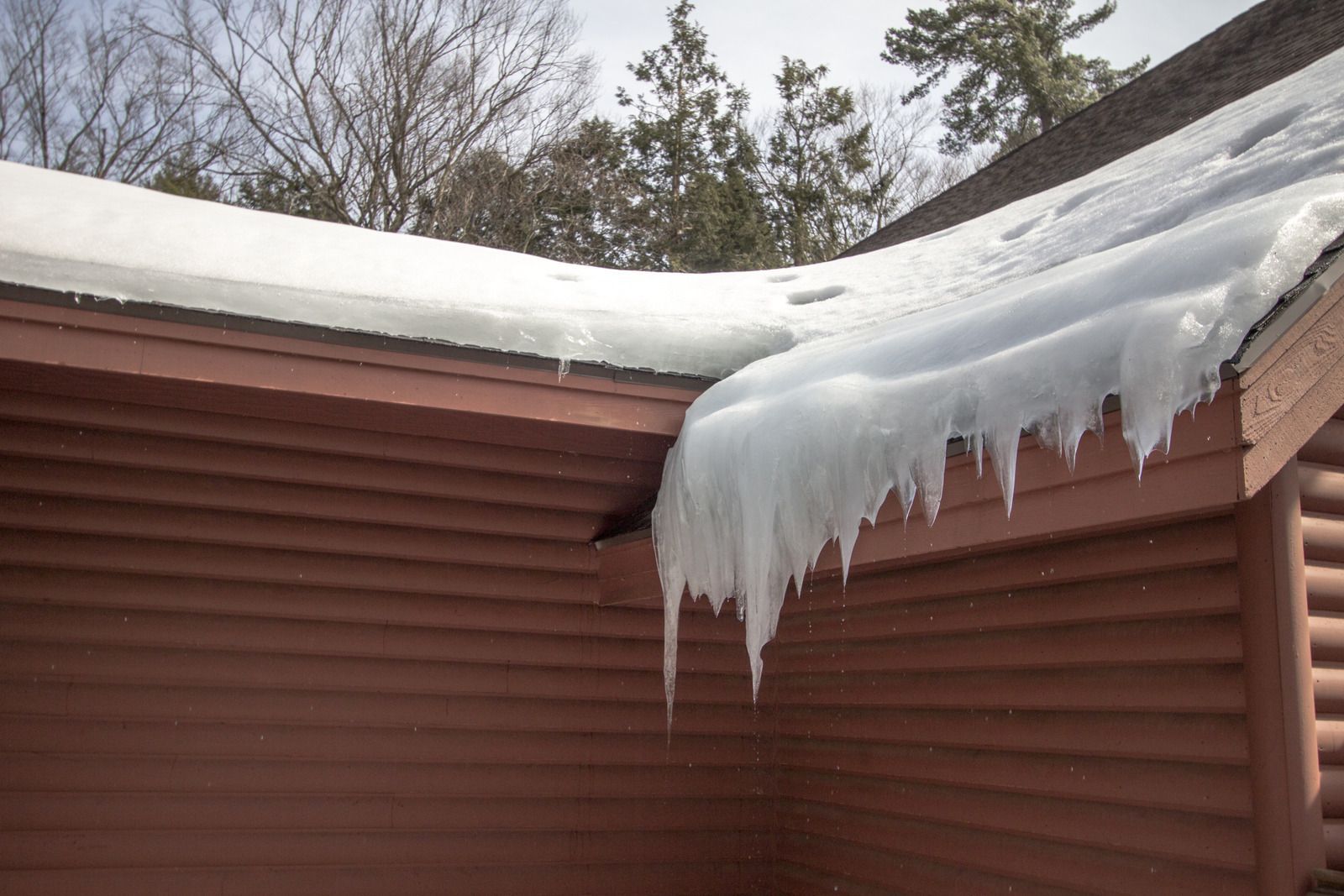
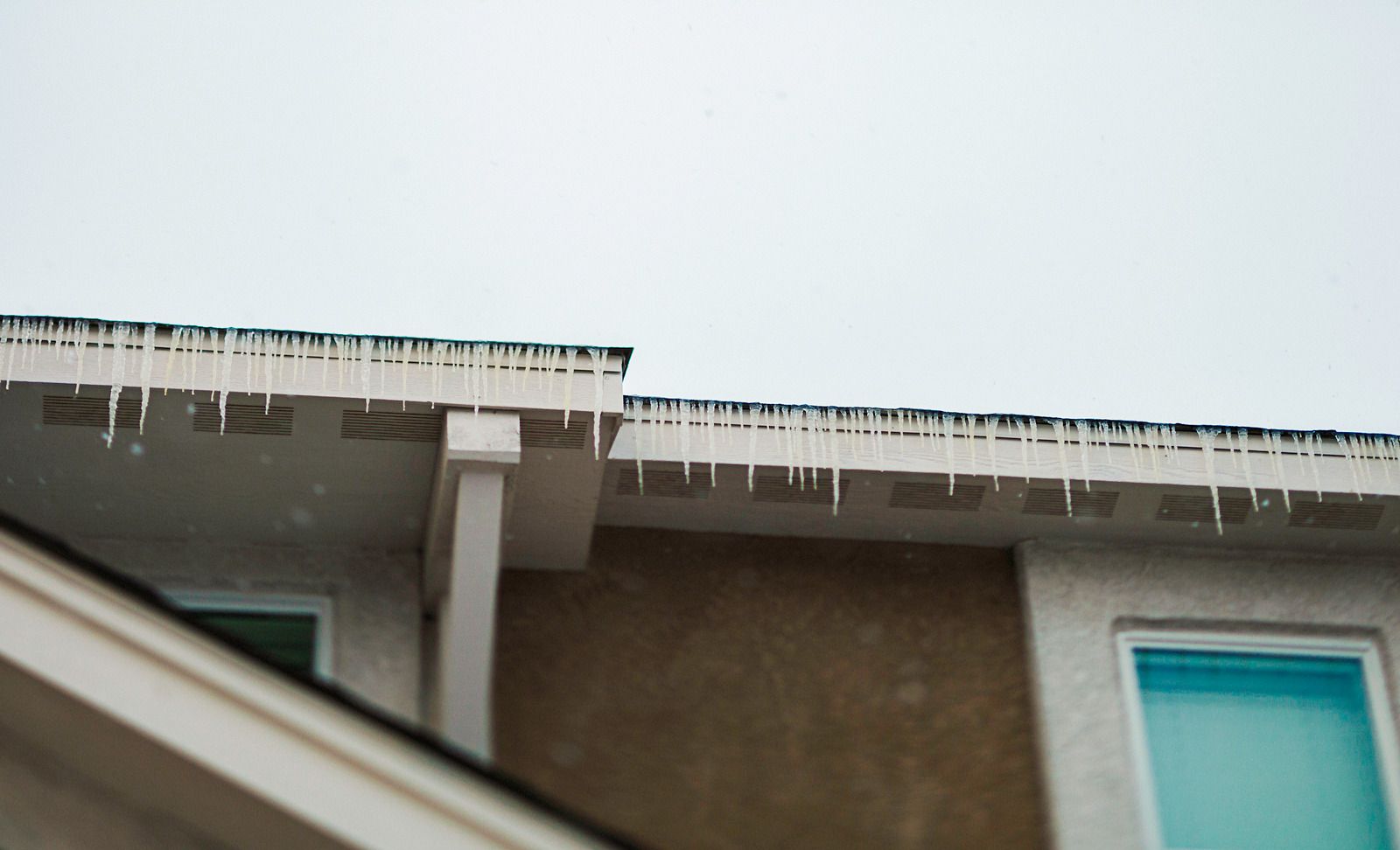
In winter, snow slides toward the valley, melts in the sun, and refreezes in the shade. Ice can lift shingle edges, jam the channel, and force meltwater backward under the roofing. This is one of the main reasons Connecticut valleys wear out sooner than the same detail would in a mild climate.
Tip: Walk the outside of your house after a heavy rain and look at the ceiling lines inside the next day. A stain that appears in the same place after every storm, and follows the direction of a valley above it, is the clearest sign that the source is in that channel and not somewhere random across the roof.
Interior inspections help reveal roofing issues that may not yet be visible from the exterior.
Professionals look for:
- Water stains
- Discolored ceilings
- Damp insulation
- Mold growth
- Wood rot
- Structural deterioration
These indicators often reveal hidden leaks that require immediate attention.
Signs of Water Intrusion
Why Connecticut Weather Is Hard on Valleys
A roof in Southington or West Hartford goes through more than rain. It goes through dozens of freeze and thaw swings between December and March. Water gets into a tiny gap in the valley on a mild afternoon, freezes overnight, expands, and widens the gap. The next thaw lets in more water, and the cycle repeats.
Nor'easters add wind driven rain that pushes water sideways and upslope, right into the edges of the valley flashing. Heavy wet snow sits in the crease longer than it does on open slopes, because snow slides off the two slopes and piles up in the valley itself. That pile melts slowly from underneath, which keeps the channel soaked.
Add the leaf litter that arrives every October, and you have a valley that is damp, loaded with debris, and cycling through freezing temperatures for months. Small flaws that would stay harmless elsewhere on the roof turn into active leaks here.
This is also why a valley can seem fine for years and then start leaking all at once. The damage builds slowly, one freeze at a time, until the water finally reaches the deck and shows up on your ceiling.
Interior inspections help reveal roofing issues that may not yet be visible from the exterior.
Professionals look for:
- Water stains
- Discolored ceilings
- Damp insulation
- Mold growth
- Wood rot
- Structural deterioration
These indicators often reveal hidden leaks that require immediate attention.
Signs of Water Intrusion
The Underlayment Layer You Cannot See
Under the shingles and the metal, a good valley has a layer of self adhering waterproof membrane, often called ice and water shield. It sticks directly to the roof deck and seals around nail holes. If water gets past the shingles or flashing, this layer is the last line of defense before the plywood.
Many older roofs have a thin layer of felt paper in the valley, or nothing special at all. That works for a while, and then it does not. When the top layer of the valley starts leaking, felt paper tends to soak through quickly, and the decking beneath begins absorbing moisture.
This hidden layer is also why a
valley repair is rarely just a patch. A roofer who only seals the visible leak with caulk may stop the drip for a month or two, but if the underlayment below has failed, water is still working through. A lasting fix addresses what is under the surface, not just what is on top.
Interior inspections help reveal roofing issues that may not yet be visible from the exterior.
Professionals look for:
- Water stains
- Discolored ceilings
- Damp insulation
- Mold growth
- Wood rot
- Structural deterioration
These indicators often reveal hidden leaks that require immediate attention.
Signs of Water Intrusion
What to Look For Without Climbing Up
Please stay off the roof. Valleys are slick when wet, steeper than they look, and often sit right above a roof edge where a slip has nowhere to stop. You can learn a lot from the ground and from inside the house.
From the yard, look along the valley line for shingles that are lifted, curled, or missing at the cut edges. Look for dark streaks that show water has been running where it should not. If you have an open valley, look for flashing that appears rusted, bent, or pulled away. A pair of binoculars helps.
Inside, check the ceiling and walls beneath the valley for stains, bubbling paint, or a damp smell. In the attic, use a flashlight to look at the underside of the deck along the valley line. Dark staining, damp insulation, or daylight where there should be none all point to a problem above.
Warning: Do not try to seal a valley leak yourself with roofing cement or caulk from the ground or from a ladder. A thick layer of sealant in the channel can trap water, block the flow, and hide the real source, and climbing onto a wet or icy roof is how most serious roofing falls happen.
Interior inspections help reveal roofing issues that may not yet be visible from the exterior.
Professionals look for:
- Water stains
- Discolored ceilings
- Damp insulation
- Mold growth
- Wood rot
- Structural deterioration
These indicators often reveal hidden leaks that require immediate attention.
Signs of Water Intrusion
What a Proper Valley Repair Looks Like
A good repair starts with finding where the water actually enters. Water often travels along the deck or a rafter before it drips, so the stain on your ceiling may sit several feet from the true leak. A roofer who traces the path back to its origin, rather than treating only the visible spot, saves you from paying attention to the same problem again next season.
From there, the work depends on what is found. A small section with lifted shingles may only need those shingles reset and the surrounding area resealed correctly. Worn open valley flashing may need to be replaced along the damaged length, with proper overlaps and nails placed away from the center. If the underlayment has failed, the shingles along the valley come up, the membrane goes down fresh, and the valley is rebuilt on top of it.
If the deck has been wet for a while, any soft or discolored sections of plywood should be replaced before the new valley goes on. Covering rotted decking just hides a bigger problem. When the damage is widespread, or the roof is near the end of its life, an honest roofer will tell you when a targeted repair no longer makes sense and a larger conversation about the roof is the better call.
Interior inspections help reveal roofing issues that may not yet be visible from the exterior.
Professionals look for:
- Water stains
- Discolored ceilings
- Damp insulation
- Mold growth
- Wood rot
- Structural deterioration
These indicators often reveal hidden leaks that require immediate attention.
Signs of Water Intrusion
Keeping Valleys Healthy After the Repair
Once a valley is sound, a little attention keeps it that way. Clear leaves and debris from the channel and the gutters below it, ideally after the leaves fall in autumn and again in spring. Trim back branches that dump needles and leaves directly into the valley.
Have the roof inspected twice a year and after major storms, especially before winter. A quick look in October can catch a lifted shingle or a loose seam before the first freeze, and a check in spring can find what winter did. Small problems are far easier to fix when they are still small, and water damage only spreads with time.
If you have snow piling in a valley every winter, mention it during an inspection. Sometimes a detail in the valley or the nearby eave is making the buildup worse, and it is easier to correct while the roof is dry.
Interior inspections help reveal roofing issues that may not yet be visible from the exterior.
Professionals look for:
- Water stains
- Discolored ceilings
- Damp insulation
- Mold growth
- Wood rot
- Structural deterioration
These indicators often reveal hidden leaks that require immediate attention.
Signs of Water Intrusion
Frequently Asked Questions
Why does my roof leak only where two slopes meet?
That crease, the valley, carries runoff from both slopes down one narrow channel. It handles more water, faster, than anywhere else on the roof, so a gap in the flashing or shingles shows up first.
Can a roof valley leak without any visible damage?
Yes. Underlayment failure, a loose seam in the flashing, or a nail placed too close to the center often stays hidden from the ground, which is why staining inside the house is usually the first sign.
Is a valley leak an emergency?
It should be treated as urgent, because a slow leak can soak the deck and insulation for weeks before you notice. If water is coming through the ceiling, protect your belongings and call a roofer promptly.
Should I use roofing cement on a leaking valley?
It is not a good idea, since sealant can block the water’s flow, trap moisture beneath it, and hide the real source. It may stop a drip briefly while the damage underneath quietly continues.
How often should valleys be inspected?
Twice a year and after major storms is a sound rule. In Connecticut, an autumn check before the first freeze and a spring check after winter catch most developing problems while they are still small.
Do open valleys or closed valleys leak less?
Neither is immune. Open valleys shed water and debris well but depend on intact metal flashing, while closed valleys rely on precise shingle work, so correct installation matters far more than the style you have.
Can a valley be repaired, or does the whole roof need replacing?
Often a valley can be repaired when the surrounding roof and deck are sound. If the decking is rotted or the roof is near the end of its life, a full replacement may make more sense.
Interior inspections help reveal roofing issues that may not yet be visible from the exterior.
Professionals look for:
- Water stains
- Discolored ceilings
- Damp insulation
- Mold growth
- Wood rot
- Structural deterioration
These indicators often reveal hidden leaks that require immediate attention.
Signs of Water Intrusion
A Narrow Channel That Carries Everything
If you have been watching a stain grow beneath a valley, you already sense it will not settle on its own, and a Connecticut winter only makes every small gap wider. All the water from two slopes funnels through that one crease, so a flaw that would stay harmless anywhere else on the roof gets tested with each rain and each thaw. Reading the stain, tracing it back to the valley above, and acting early is what keeps the water out of the deck.
The lasting fix is never a smear of sealant over the drip, because the real path often runs beneath the shingles where the underlayment lives. Finding the true entry point, checking the membrane and decking, and rebuilding the channel correctly is what carries a roof safely through the next nor’easter. Valley Roofing LLC
has worked these details throughout Southington, CT for over 35
years, and that patient, source first approach is what separates a repair that holds from one that only quiets the ceiling until the following storm.