Shingles Missing After a Nor'easter? What to Do Before the Next Storm
September 13, 2026
Interior inspections help reveal roofing issues that may not yet be visible from the exterior.
Professionals look for:
- Water stains
- Discolored ceilings
- Damp insulation
- Mold growth
- Wood rot
- Structural deterioration
These indicators often reveal hidden leaks that require immediate attention.
Signs of Water Intrusion
Quick Answer: If you're standing in the yard counting shingles that used to be on your roof, the clock is already running. A nor'easter's sustained wind — not just a stray gust — gets under a shingle's seal strip and rips it loose, and whatever's left exposed up there, usually felt paper or bare wood, isn't built to handle a second storm on its own. Underlayment buys you weeks, not months, and every round of rain or freeze-thaw works more water into the deck underneath. Don't climb up to check it yourself, especially while the roof's still wet or the ladder's sitting on soaked, uneven ground. Take photos from the driveway and note which slope lost coverage. Then call a roofer before the next system moves up the coast — a properly matched repair now costs a lot less roof than what you're looking at if that bare decking takes a second hit.
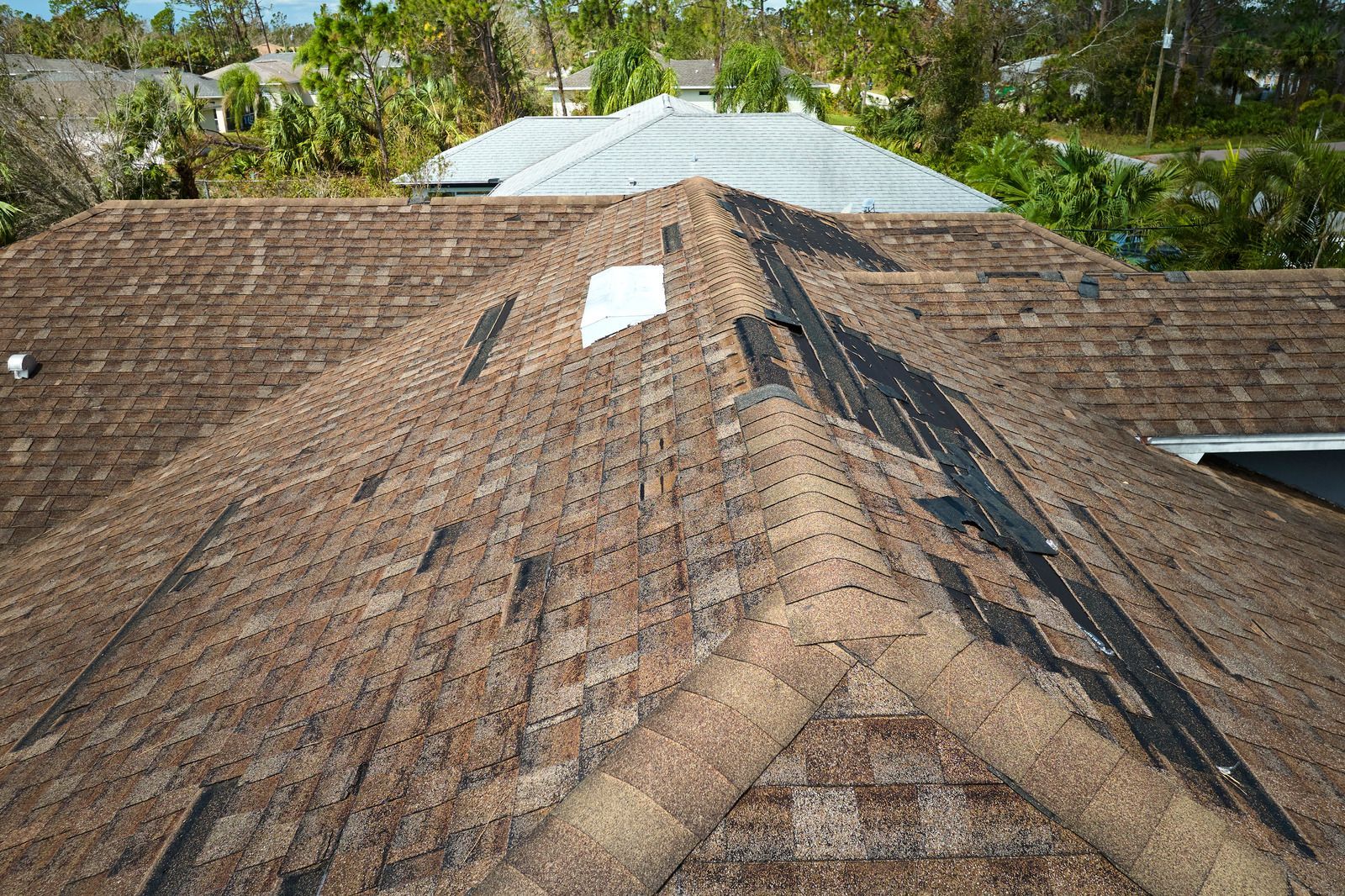
You walk outside the morning after a nor'easter blew through, coffee in hand, and there they are — five or six shingles scattered across the lawn like someone tore pages out of a book and let the wind have them. One's wedged in the gutter. Another's halfway across the driveway, curled at the edges. And when you look up at the roofline from where you're standing, there's a patch that reads different from the rest — darker, rougher, not lying flat the way everything around it does.
That darker patch is the actual problem. It's either exposed felt paper or, if the wind got aggressive enough, bare plywood decking staring back down at you. Neither one is your roof's real defense against weather. They're backup systems, and backup systems fail fast the moment nobody's paying attention to them.
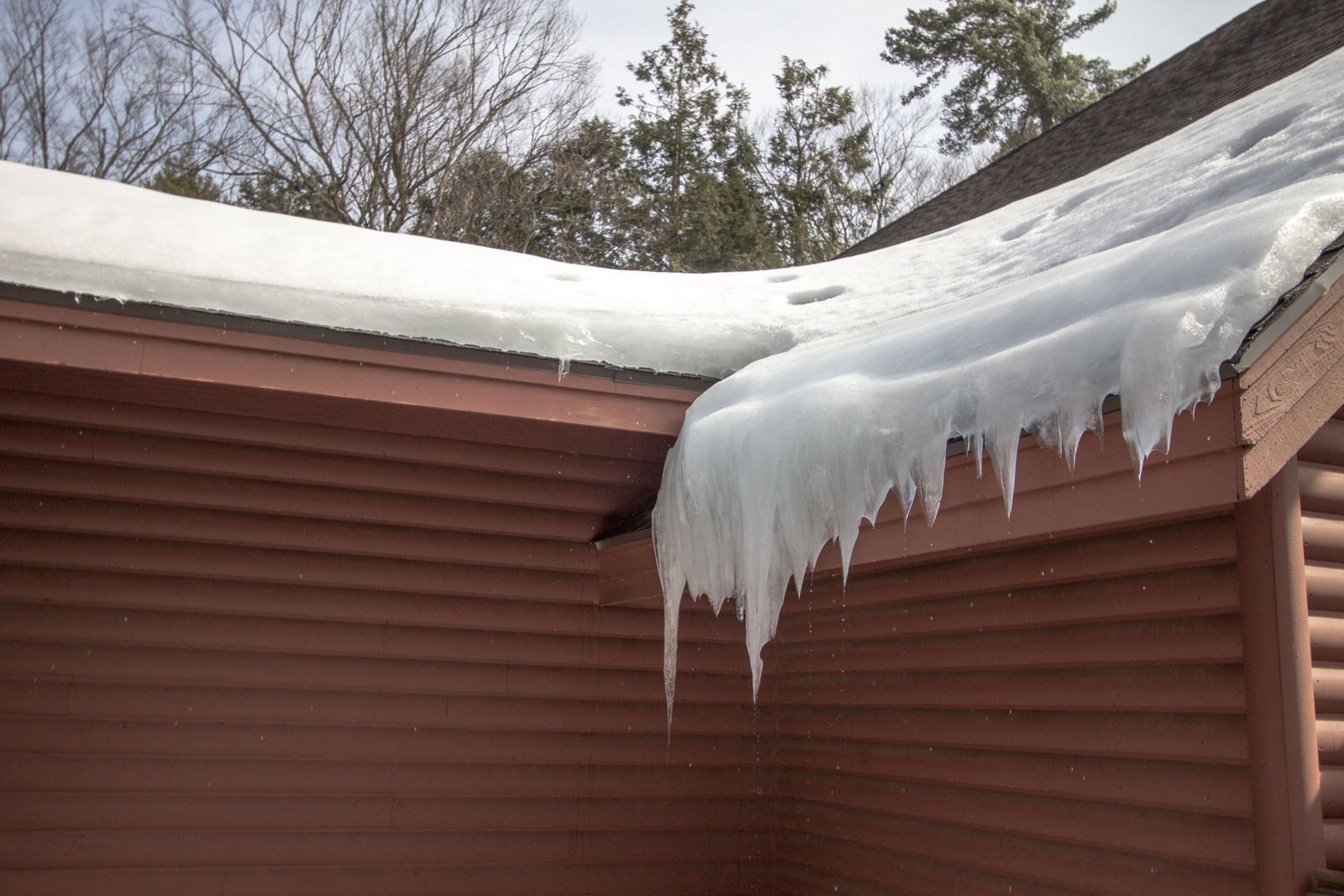
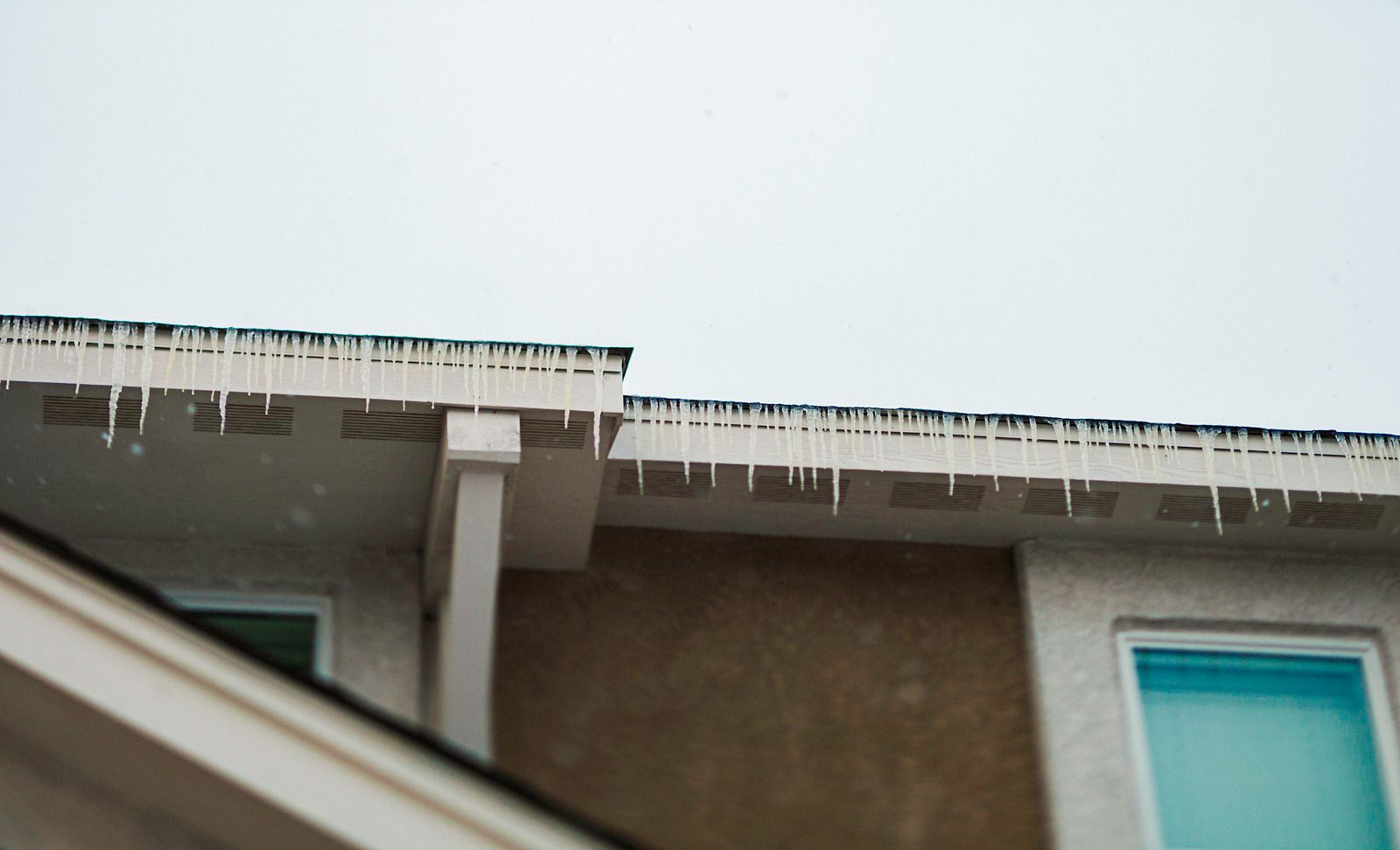
Connecticut gets storms like this every winter — the wind swings around from the northeast, holds there for twelve, eighteen, sometimes twenty-four hours straight, and any shingle with a weak seal or too many years of sun behind it gives up somewhere in that stretch. This time of year also brings the freeze-thaw swings that cause ice dams along the eaves later in the season, so a roof that's already missing part of its coverage heads into that pattern a step behind. What happens next depends almost entirely on how fast you get a professional look at that bare spot before the next storm shows up.
Interior inspections help reveal roofing issues that may not yet be visible from the exterior.
Professionals look for:
- Water stains
- Discolored ceilings
- Damp insulation
- Mold growth
- Wood rot
- Structural deterioration
These indicators often reveal hidden leaks that require immediate attention.
Signs of Water Intrusion
Why Nor'easter Winds Tear Shingles Loose in the First Place
A summer thunderstorm can gust to 60 miles an hour and be gone in ten minutes. A nor'easter doesn't work that way. It sits offshore, spins, and pushes wind at a roof from one steady direction for the better part of a day — sometimes longer. That duration matters more than the peak speed does. Shingles are built to shed wind that hits them from above and in front, the way they're designed to lie flat. When wind comes from the side, or gets underneath the leading edge even briefly, it starts working at the seal strip — the line of asphalt adhesive that bonds each shingle to the course below it.
Once that seal breaks on a handful of shingles, the wind has a foothold. It pries the tab up, flexes it back and forth, and eventually the nails either pull through the shingle or the shingle tears clean off around them. Roofs facing open, unobstructed ground catch this worse, because nothing slows the wind before it reaches the shingle field. Older shingles are especially exposed here — the seal strip is heat-activated, meaning it needs a warm, sunny stretch sometime after installation to actually bond down. A roof shingled in late fall, or one where a few tabs never got a proper seal to begin with, carries weak spots a homeowner has no way of spotting from the ground until a storm finds them first.
I've seen this play out the same way on roof after roof: the losses cluster at corners and edges near a chimney or dormer — anywhere the wind has to change direction to get around something. That's not bad luck. That's just where uplift concentrates.
Interior inspections help reveal roofing issues that may not yet be visible from the exterior.
Professionals look for:
- Water stains
- Discolored ceilings
- Damp insulation
- Mold growth
- Wood rot
- Structural deterioration
These indicators often reveal hidden leaks that require immediate attention.
Signs of Water Intrusion
Why Exposed Decking Can't Wait for a Nice Weekend
Here's what a lot of homeowners get wrong. They see felt paper or a synthetic underlayment still stapled down where the shingles used to be, and they figure the roof is basically fine until they get around to it. It isn't. Underlayment is a secondary layer, not a finished roofing material. Even the better synthetic products only carry a rated exposure window of a few weeks to a few months before the manufacturer stops standing behind them — none of them are meant to serve as the actual roof surface through a Connecticut winter.
Bare decking is worse. Plywood or OSB sheathing left exposed to rain, then overnight freeze, then afternoon thaw, starts pulling moisture into the wood grain within days, not weeks. It doesn't take a hurricane to cause damage. A stretch of ordinary February weather with a handful of freeze-thaw cycles can leave the top layer of OSB swollen and soft to the touch. Press a screwdriver into decking that's been wet for two or three weeks and you'll feel it give in a way dry wood never does. Once the wood itself is compromised, the job stops being a shingle repair. It becomes a sheathing replacement, which means opening up a bigger section of roof than the storm actually damaged in the first place.
Tip: Keep an eye on the ceiling directly below the missing-shingle area for the first week or two after the storm. A faint yellow-brown ring or a musty smell in that spot means water has already worked past the underlayment, and it's a sign the repair needs to happen now, not whenever the schedule opens up.
Interior inspections help reveal roofing issues that may not yet be visible from the exterior.
Professionals look for:
- Water stains
- Discolored ceilings
- Damp insulation
- Mold growth
- Wood rot
- Structural deterioration
These indicators often reveal hidden leaks that require immediate attention.
Signs of Water Intrusion
Getting a Temporary Fix Without Making Things Worse
Warning: Do not climb onto a wet or storm-damaged roof to inspect it or tarp it yourself. Homeowners are seriously hurt every year falling from roofs they believed were stable, and a roof that's already missing shingles is, by definition, not behaving the way it did before the storm. Loose flashing and weakened decking both raise the odds of a slip, and wet granule debris on the surface makes footing even worse. A fall from even a single-story roof can cause a life-changing injury. If a tarp actually needs to go up before a crew can get out there, that's a job for someone with the right fall-protection gear and rope — and the experience to use them without becoming the second emergency of the week.
That's not to say nothing can be done in the meantime. If it's reachable safely from the ground — a downspout that's come loose, debris blocking a drain — clear it so water has somewhere to go. Beyond that, the smartest move is calling and describing what you're seeing, so a crew that handles these calls regularly can decide what needs a same-day tarp versus a scheduled repair a day or two out. A roofer who does this work knows how to secure a tarp properly, nailed through furring strips rather than straight into the shingles, and weighted so the next round of gusts doesn't peel it back off.
Every situation is a little different. Size of the exposed area matters. So does whatever's in the forecast for the next day or two. If the attic already shows signs of water getting in, that pushes the timeline up further still — a six-inch gap on a dry week is a very different conversation than a full course of shingles gone with rain moving in overnight.
Interior inspections help reveal roofing issues that may not yet be visible from the exterior.
Professionals look for:
- Water stains
- Discolored ceilings
- Damp insulation
- Mold growth
- Wood rot
- Structural deterioration
These indicators often reveal hidden leaks that require immediate attention.
Signs of Water Intrusion
Getting a Repair That Actually Matches Your Roof
Once the roof is safe and dry enough to work on, the repair decision usually comes down to two things: how much of the roof lost coverage, and how old the existing shingles already are. A spot repair — pulling the damaged section and replacing decking underneath if it's compromised, then tying new shingles into the surrounding courses — works well when the loss is contained to one area and the rest of the roof is still holding up.
Color is where this gets complicated. Asphalt shingles fade over time as sun exposure breaks down the asphalt and the granules lose some of their pigment. A roof that's five or six years old usually takes a patch without much visible difference. A roof pushing fifteen or twenty years often shows a noticeable seam, because the manufacturer's current color blend for that shingle line has likely shifted since the original installation — there's no way to manufacture "aged" shingles that fake years of sun exposure. A roofer who's straight with you will say this upfront instead of promising a match he can't deliver.
Widespread damage changes the math. If a nor'easter pulled shingles from more than one spot on the same slope, or the crew opens the damaged area and finds shingles around it already cracked and curling, patching one section just delays the next repair call. At that point, re-shingling the whole slope — matching it against the rest of the roof instead of blending new material into shingles that are already failing — tends to hold up longer. It's not a call to make from a photo. It takes someone standing on the roof, checking seal strip condition and how the decking is holding up, before recommending one approach over the other.
Interior inspections help reveal roofing issues that may not yet be visible from the exterior.
Professionals look for:
- Water stains
- Discolored ceilings
- Damp insulation
- Mold growth
- Wood rot
- Structural deterioration
These indicators often reveal hidden leaks that require immediate attention.
Signs of Water Intrusion
Frequently Asked Questions
How many missing shingles means I need a professional right away?
Even one or two missing shingles expose the underlayment beneath, and that alone is reason enough to call before the next storm system moves in. The count matters less than what's underneath it — bare decking after a section blew off is more urgent than felt paper still holding under a smaller gap.
Can I put a tarp up myself if I'm careful about it?
It's not worth the risk. A tarp secured the wrong way can trap water against the decking instead of keeping it out. Call a roofer who handles emergency tarping — most reach a damaged roof within hours.
Will my new shingles actually match the rest of my roof?
It depends on how old the roof is. Shingles installed within the last several years usually match closely enough that most people never notice. Older roofs, where sun exposure has already faded the original shingles, often show a visible line between old and new material.
How fast does water damage start once decking is exposed?
Faster than most people expect. Wet-dry and freeze-thaw cycling can soften the top layer of plywood or OSB sheathing within a week or two of steady exposure — especially through a Connecticut winter, where the same section of roof might freeze overnight and thaw again the next afternoon several times before a repair gets scheduled.
What's the real difference between underlayment and a finished roof surface?
Underlayment is a backup water-resistant layer, not a roofing material on its own. It's built for brief exposure during construction, not months of open weather through a winter.
Should I check the attic even if I don't see missing shingles from the ground?
Yes. Wind can lift a shingle's seal without fully detaching it, and that kind of damage doesn't always show from the driveway. A flashlight check for daylight, damp insulation, or staining on the decking catches problems the roofline alone won't reveal.
Will a spot repair look obviously different from the rest of my roof?
Sometimes, and an honest answer upfront beats a surprise later. On a newer roof, a well-matched patch usually blends in close enough that most people wouldn't notice it. On an older roof, some visible difference is likely no matter how careful the match is.
How long does an emergency shingle repair usually take once someone's on-site?
A contained spot repair is often finished in a few hours once decking condition is confirmed. A full slope re-shingle takes longer and gets scheduled as its own job, though temporary protection can still go up the same day.
Interior inspections help reveal roofing issues that may not yet be visible from the exterior.
Professionals look for:
- Water stains
- Discolored ceilings
- Damp insulation
- Mold growth
- Wood rot
- Structural deterioration
These indicators often reveal hidden leaks that require immediate attention.
Signs of Water Intrusion
When a Bare Roof Meets the Next Storm
A roof stripped down to felt or bare decking sits in a fragile in-between state, protected enough to look fine from the driveway but nowhere near ready for what winter sends up the coast. The gap between one storm and the next is the window that matters, and it rarely stays open as long as anyone hopes. What you do inside that window shapes whether this stays a small repair or grows into something the whole slope has to answer for.
Valley Roofing LLC
has spent over 35
years on roofs throughout Southington, CT, watching how these storms treat aging shingles and soft decking, and that experience shows up in the difference between a patch that blends in and one that lasts. Knowing when a slope needs full attention rather than a quick fix comes from seasons of doing exactly this work. A bare spot after a nor'easter is a familiar sight here, and familiarity is what keeps a small problem from turning into a large one.