Big Icicles Hanging From Your Gutters? What They Reveal About Your Attic
July 3, 2026
Interior inspections help reveal roofing issues that may not yet be visible from the exterior.
Professionals look for:
- Water stains
- Discolored ceilings
- Damp insulation
- Mold growth
- Wood rot
- Structural deterioration
These indicators often reveal hidden leaks that require immediate attention.
Signs of Water Intrusion
Quick Answer: Big icicles hanging from your gutters are heavy, and that weight is hard on the gutter system, bending the gutters, loosening the hangers, and pulling sections away from the fascia. They also signal that ice is building up in the gutters themselves, usually because the gutters are clogged or not draining, so water sits and freezes instead of flowing away. Keeping gutters clean, properly sloped, and well-drained, with guards where helpful, is what protects them through a Connecticut winter.
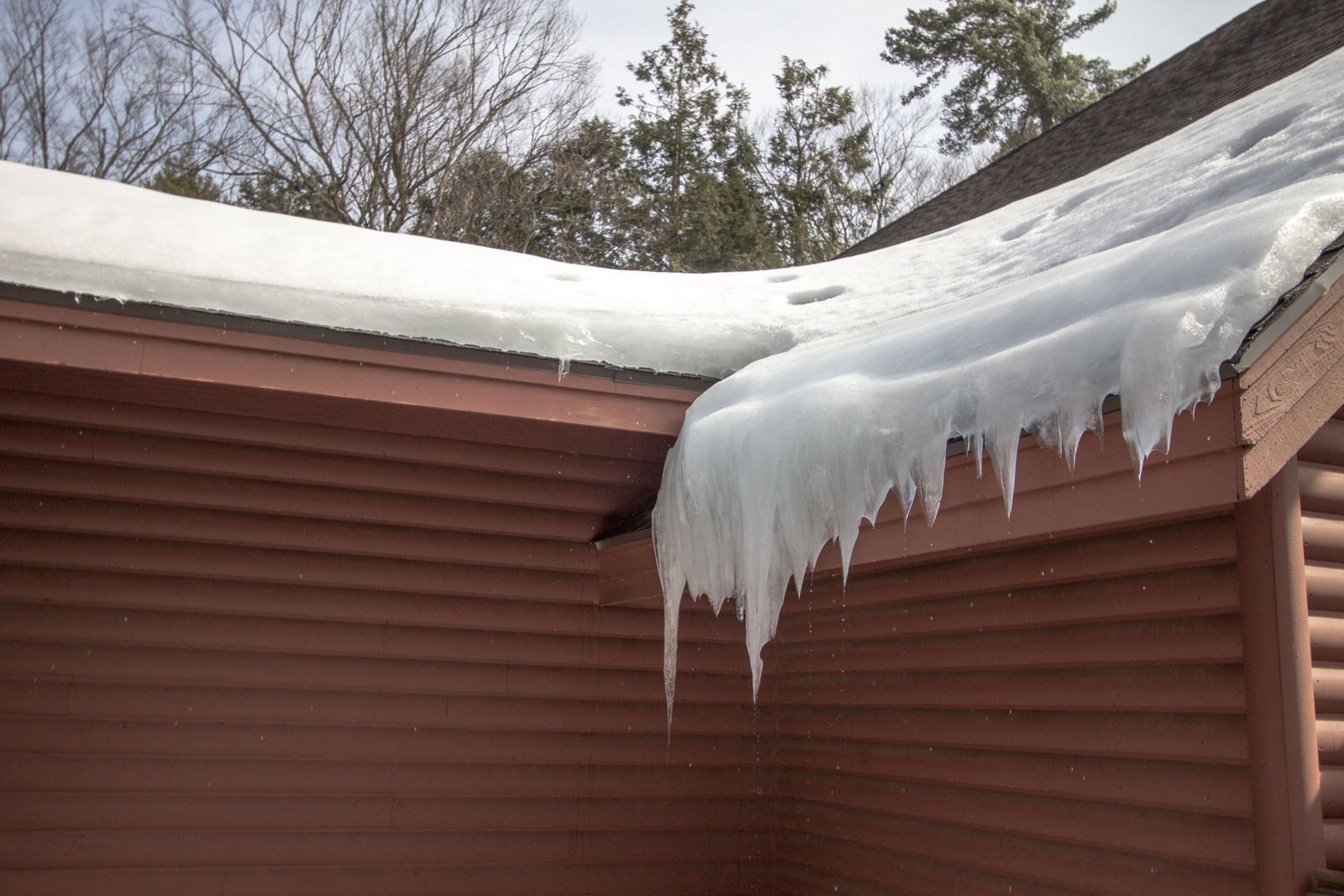
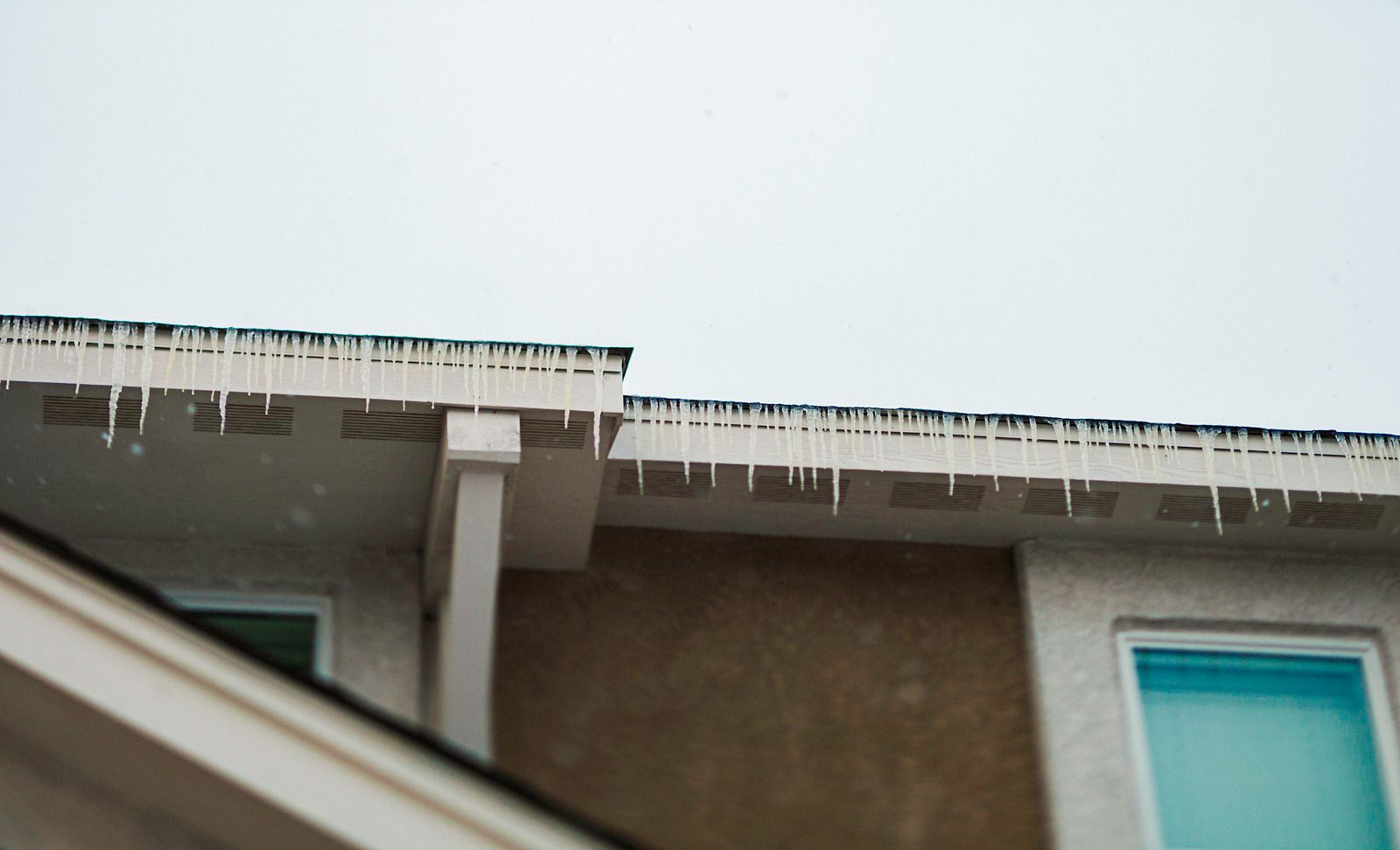
On a cold Connecticut morning, a row of icicles hanging off the gutters can look almost festive, until you notice how big and heavy they have gotten and start to worry about what they are doing to your gutters. That instinct is right. Those icicles, and the ice building up in the gutter behind them, put real strain on the gutter system, and they tend to come back to the same spots every winter for reasons that have a lot to do with the gutters themselves.
While a warm roof above plays a role in how much snow melts, what happens at the gutter line, whether water flows through and away or sits and freezes, is where icicles are made and where the damage lands. Understanding how ice forms in and on your gutters, and what it does to them, points to how to protect the system through winter. Here is what those big icicles mean for your gutters.
Interior inspections help reveal roofing issues that may not yet be visible from the exterior.
Professionals look for:
- Water stains
- Discolored ceilings
- Damp insulation
- Mold growth
- Wood rot
- Structural deterioration
These indicators often reveal hidden leaks that require immediate attention.
Signs of Water Intrusion
How Ice Builds Up in the Gutter
To see why icicles are hard on gutters, it helps to follow the water to the gutter line.
When snow on the roof melts and the meltwater runs down to the edge, it reaches the gutters and eaves, which sit out beyond the heated part of the house and stay at the frigid outdoor temperature. If that water flows freely through the gutter and down the downspout, it leaves the system before it can freeze. But if the water cannot drain, it sits in the gutter, freezes, and starts building a block of ice right at the edge. Meltwater arriving after that piles onto the ice, freezing layer by layer, and that is what grows the heavy icicles hanging off the front and the ridge of ice sitting in the trough.
So an icicle on the gutter is really frozen evidence that water stopped moving at the edge. A free-flowing gutter sheds water before it can freeze; a gutter that holds water turns that water into ice. That distinction, whether your gutters drain or hold, is the biggest factor in how much ice and how many heavy icicles you get, which is why the condition of the gutters matters so much.
Interior inspections help reveal roofing issues that may not yet be visible from the exterior.
Professionals look for:
- Water stains
- Discolored ceilings
- Damp insulation
- Mold growth
- Wood rot
- Structural deterioration
These indicators often reveal hidden leaks that require immediate attention.
Signs of Water Intrusion
Why Clogged and Poorly Draining Gutters Make It Worse
The most common reason water sits in a gutter and freezes is that the gutter is not draining the way it should, and that usually traces to a few gutter problems.
Clogged gutters freeze solid
This is the big one in Connecticut, where a heavy fall leaf drop packs gutters with debris. Leaves, twigs, and grit fill the trough and block the downspouts, so water cannot flow through. That trapped water freezes into a solid block of ice in the gutter, and every melt cycle adds more, growing the icicles and the ice load. A clogged gutter is essentially a tray holding water in place to freeze.
Poor slope and undersized or blocked downspouts
Gutters need a slight, consistent slope toward the downspouts so water actually runs to them, and downspouts that are big enough and clear enough to carry it away. When the slope is off, or the downspouts are too small, poorly placed, or frozen shut, water pools in low spots in the gutter and freezes there even without leaves.
Gutters that already sag
A gutter that has started to sag, from age, loose hangers, or past ice loads, holds standing water in the low belly of the sag, which is exactly where ice forms first.
In every case, the throughline is the same: water that should have left the gutter instead sits and freezes. Clean, properly sloped, free-draining gutters do not stop every icicle, but they dramatically reduce the trapped water that turns into heavy ice, while clogged, sagging, poorly draining ones practically manufacture it.
Tip: Before winter sets in, check whether water actually runs through your gutters and out the downspouts during a rain. If you see water spilling over the front edge, pooling in spots, or barely trickling from the downspout, the gutters are not draining, and that standing water is what will freeze into heavy icicles once it gets cold. A fall cleaning and a check of the slope and downspouts before the first freeze heads off a lot of winter ice.
Interior inspections help reveal roofing issues that may not yet be visible from the exterior.
Professionals look for:
- Water stains
- Discolored ceilings
- Damp insulation
- Mold growth
- Wood rot
- Structural deterioration
These indicators often reveal hidden leaks that require immediate attention.
Signs of Water Intrusion
What Big Icicles Do to the Gutters
This is where icicles stop being scenery and start being a maintenance problem, because ice is heavy and gutters are not built to carry it.
The weight bends and deforms the gutters
A gutter full of ice plus a row of large icicles hanging off it is carrying far more weight than it was designed for. That load bends the gutter, distorts its shape, and pulls it out of alignment, which then makes it drain even worse, a cycle that feeds on itself.
It loosens the hangers and pulls gutters from the fascia
The hangers and fasteners that hold the gutter to the house can only take so much. The weight of ice works them loose, and over a hard winter it can tear sections of gutter partly or fully away from the fascia, leaving them hanging, gapped, or down.
It damages downspouts and seams
Ice expanding in a downspout can split or deform it, and the stress on a gutter run can open up seams and joints, leading to leaks once everything thaws.
It can damage the fascia and roof edge
Gutters torn loose by ice can take fascia board and trim with them, and ice backing up at the edge can work against the roof edge too, turning a gutter problem into a bigger repair.
So the heavy icicles are not just a sign of trapped water, they are actively shortening the life of the gutter system, which is why they are worth addressing rather than admiring.
Interior inspections help reveal roofing issues that may not yet be visible from the exterior.
Professionals look for:
- Water stains
- Discolored ceilings
- Damp insulation
- Mold growth
- Wood rot
- Structural deterioration
These indicators often reveal hidden leaks that require immediate attention.
Signs of Water Intrusion
The Roof Above Plays a Part Too
Gutters are where the ice lands, but it is worth knowing that how much meltwater arrives at the gutter is influenced by the roof above. When a lot of snow on the roof is melting and running down to the cold edge, there is simply more water to freeze in the gutters. That extra meltwater is why some homes load their gutters with ice far faster than others.
This is why a complete fix sometimes involves looking above the gutter line as well as at it, and why having a roofer and gutter specialist look at the whole edge together makes sense. But for the gutters themselves, the priority is clear: keep them clean, sloped, and draining so that whatever water reaches them flows through and away instead of sitting to freeze. A well-maintained gutter handles its job far better regardless of what is melting above it.
Warning: Don't climb up to knock ice or icicles off your gutters, and don't stand under heavy icicles. Large icicles can break loose and fall without warning, and the weight and the swinging of tools at the ice can damage the gutters you are trying to protect. Climbing an icy ladder in winter is dangerous on its own. If ice has loaded your gutters heavily enough to worry you, have a professional handle it safely rather than risking injury or adding damage.
Interior inspections help reveal roofing issues that may not yet be visible from the exterior.
Professionals look for:
- Water stains
- Discolored ceilings
- Damp insulation
- Mold growth
- Wood rot
- Structural deterioration
These indicators often reveal hidden leaks that require immediate attention.
Signs of Water Intrusion
How to Protect Your Gutters Through Winter
Because the ice comes from water sitting in the gutter, protecting the system is about keeping water moving through it and the gutters strong enough to handle a Connecticut winter.
Clean the gutters before winter
Clearing leaves and debris in late fall, after the leaves are down, is the single most effective step. Clean gutters and clear downspouts let meltwater drain instead of pooling and freezing.
Check and correct the slope and downspouts
Making sure the gutters slope properly toward downspouts that are adequately sized and well placed keeps water flowing to the outlets rather than collecting in the run. Extending and clearing downspouts helps the water get away from the house, too.
Re-secure or upgrade sagging gutters
Gutters that already sag or have loose hangers should be re-secured or, if they are worn out, replaced, so they hold their slope and do not cradle standing water. Properly hung, sound gutters resist the ice load far better.
Consider gutter guards suited to your trees
Quality gutter guards matched to your tree cover keep leaves out so the gutters stay clear and draining through the season, cutting down the clogs that trap water. They reduce cleaning frequency, though they do not eliminate maintenance entirely.
Have the gutters checked after a hard winter
Because ice strains gutters, a look at the hangers, slope, seams, and fascia attachment after winter catches the bending and loosening before it becomes a failure or a leak.
Handled together, these keep the gutters draining so far less water freezes in them, and keep the system strong enough to shrug off the ice that does form, so the heavy icicles that came back every winter, and the gutter damage that came with them, stop being a yearly problem.
Interior inspections help reveal roofing issues that may not yet be visible from the exterior.
Professionals look for:
- Water stains
- Discolored ceilings
- Damp insulation
- Mold growth
- Wood rot
- Structural deterioration
These indicators often reveal hidden leaks that require immediate attention.
Signs of Water Intrusion
Frequently Asked Questions
Are big icicles on my gutters bad for the gutters?
Yes. Ice in the gutter plus heavy icicles hanging off it weigh far more than the gutter is built to hold. That weight bends the gutters, loosens the hangers, and can pull sections away from the fascia, while ice in downspouts can split them. Beyond looking dramatic, the icicles are actively straining the gutter system.
Why do icicles form on my gutters in the first place?
Because meltwater running off the roof reaches the cold gutter and, instead of draining away, sits and freezes. The more water that stalls in the gutter, the bigger the ice and icicles. Gutters that drain freely shed the water before it can freeze; gutters that hold water turn it into ice.
Do clogged gutters cause icicles?
They make them much worse. A gutter packed with leaves and debris can't drain, so meltwater sits in the trough and freezes into a block of ice that icicles build off of. Clearing the gutters and downspouts so water flows through is one of the most effective ways to cut down winter ice.
Will gutter guards stop the icicles?
Guards help by keeping leaves out so the gutters stay clear and draining, which reduces the trapped water that freezes. They cut down clogging and cleaning, but they don't completely stop icicles, since meltwater from the roof can still freeze at a cold edge. They're one part of keeping the system flowing.
Should I knock the ice off my gutters myself?
It's best not to. Heavy icicles can fall and injure you, chipping at the ice can dent and damage the gutters, and an icy ladder in winter is dangerous. If the ice load is heavy enough to concern you, have a professional remove it safely and then address why the gutters are holding water.
How do I keep this from happening every winter?
Keep the gutters clean and draining: clear them in late fall, make sure the slope and downspouts move water to the outlets, re-secure or replace sagging gutters, and consider guards suited to your trees. A check after a hard winter catches ice strain early. Keeping water moving through the gutters is what prevents the ice buildup.
Interior inspections help reveal roofing issues that may not yet be visible from the exterior.
Professionals look for:
- Water stains
- Discolored ceilings
- Damp insulation
- Mold growth
- Wood rot
- Structural deterioration
These indicators often reveal hidden leaks that require immediate attention.
Signs of Water Intrusion
Keeping Your Gutters Clear of Winter Ice
Big icicles hanging off your gutters are more than winter scenery, they are weight your gutters were never meant to carry and a sign that water is sitting in the gutter instead of flowing through it. Clogged, sagging, or poorly draining gutters are what turn meltwater into heavy ice, and that ice bends, loosens, and tears at the system every winter. Keep the gutters clean, properly sloped, and draining, strengthen what sags, and add guards where your trees demand it, and the gutters shed water before it can freeze, so the heavy icicles and the damage they do, stop coming back.
Protect your gutters from another winter of heavy ice — Big icicles mean water is sitting in your gutters and freezing, and the weight bends, loosens, and tears the system apart over a Connecticut winter. With over 35 years of experience serving Southington, Connecticut, Valley Roofing LLC cleans, re-slopes, re-secures, and guards gutters, and checks them for ice strain, for homes across the Southington area and central Connecticut, so meltwater flows through instead of freezing in place. Reach out for a
gutter inspection and head off the ice before the season turns.