How to Select the Best Roof Repair Services for Your Home (Checklist & Questions to Ask)
May 2, 2026
Maintaining a safe and structurally sound roof is one of the most critical aspects of homeownership. Roof problems can emerge gradually or suddenly, ranging from minor leaks to severe storm damage, making timely repair essential. Choosing the right roof repair service is not just about fixing visible issues—it is an investment in long-term home protection, energy efficiency, and property value. With countless providers claiming expertise, understanding how to select a trustworthy and skilled professional becomes crucial. Homeowners often overlook key factors, resulting in repairs that are incomplete, costly, or even damaging over time.
Finding a roof repair service that combines experience, reliability, and transparent communication requires careful consideration. Factors such as licensing, insurance, past performance, and material expertise can significantly impact repair quality and longevity. Additionally, asking the right questions ensures the solution aligns with specific roofing needs and avoids surprises down the line. This guide provides a detailed checklist and essential questions to ask before hiring, empowering homeowners to make informed decisions. By evaluating services through a structured approach, homeowners can safeguard their investment and ensure that every repair enhances the durability, safety, and efficiency of their roof.
1. Evaluate Credentials and Licensing
Importance of Licensing
A valid license ensures that roofing professionals meet state and local regulations, safety standards, and industry best practices, while demonstrating accountability and verified competence. Licensing indicates that training, technical knowledge, and adherence to building codes have been verified by the appropriate authorities. Unlicensed repairs can result in substandard work, safety hazards, or even costly legal complications for homeowners. Always verify that the roofing service holds current, active licensing relevant to roof repair and replacement, ensuring both compliance and reliability.
Insurance Coverage
Insurance is a critical factor in roofing services, protecting homeowners from potential financial liability in case of accidents or property damage. Adequate liability insurance safeguards against structural damage, while worker’s compensation covers potential injuries that might occur during repairs. Request proof of insurance and confirm coverage limits carefully before hiring any service. Services without proper insurance expose homeowners to significant financial risk if accidents, damages, or unforeseen incidents occur during work. Proper coverage demonstrates professionalism and prioritizes homeowner protection.
Experience and Track Record
Years in the roofing industry often correlate with reliability, skill, and practical expertise across diverse repair scenarios. Look for services that provide a portfolio of completed projects, client references, or verified online reviews demonstrating successful outcomes. Real-world examples of challenging roof repairs, such as fixing storm damage or replacing severely aged shingles efficiently, reflect the ability to handle complex issues. Documented experience with different roofing materials, including asphalt, metal, or tile, ensures versatility, knowledge, and the ability to apply appropriate solutions in every situation.
2. Assess Material Knowledge and Expertise
Understanding Roofing Materials
Different roofing types require specialized skills, techniques, and practical knowledge to ensure durable repairs. Asphalt shingles, metal roofing, slate, and tile each have unique installation and repair requirements that must be executed correctly. A service with comprehensive knowledge can identify subtle signs of wear, hidden damage, or early failure that others might miss, such as granule loss in shingles or rust forming under metal roofing panels. Expertise in materials ensures long-lasting repairs and reduces the likelihood of recurring problems in the future.
Inspection Skills
Effective roof repair begins with a detailed inspection covering all structural, hidden, and visible components, leaving no potential problem overlooked. Professionals should examine flashing, gutters, underlayment, shingles, and structural support systems carefully. Accurate assessments help prevent recurring issues, reduce costs, and ensure repairs target the root cause rather than temporary symptoms. Thorough inspections also allow for timely recommendations that protect the integrity, safety, and longevity of the roof over many years of use.
Material Recommendations
A reliable service provides clear, evidence-based recommendations tailored to the home’s environment, roofing type, and homeowner priorities. For example, suggesting impact-resistant shingles for homes in storm-prone regions or recommending energy-efficient reflective materials demonstrates expertise and forward-thinking solutions. Avoid services that push unnecessary upgrades or premium materials without explanation. Transparency in recommendations is a key indicator of integrity, ensuring repairs maximize both value and durability while aligning with the homeowner’s long-term goals.
3. Check Reputation and Customer Feedback
Research Online Reviews
Customer reviews on platforms such as Google, Yelp, and industry-specific directories reveal service reliability, workmanship quality, and overall customer satisfaction. Pay attention to recurring themes such as punctuality, professionalism, and thorough cleanup after repairs. Positive reviews indicate consistent performance across projects, while negative reviews highlight potential warning signs or recurring issues. Evaluating reviews carefully allows homeowners to make informed decisions, avoiding services that may fail to meet expectations or provide quality roof repair consistently.
Ask for References
Request references from past clients who had similar roofing projects completed recently. Speaking directly with homeowners provides firsthand insight into the repair process, quality of work, communication, and overall satisfaction. Inquire about challenges encountered, timeliness of completion, and how effectively issues were addressed. First-hand experiences offer practical validation of claims made in marketing materials and confirm whether the service maintains consistent reliability, professionalism, and adherence to quality standards across different project types.
Verify Certifications and Industry Affiliations
Professional certifications from roofing manufacturers or trade organizations indicate verified training, adherence to best practices, and familiarity with current industry standards. Membership in local or national roofing associations reflects ongoing commitment to continued education and quality assurance. These credentials add credibility and assurance that repairs will meet high-quality benchmarks, reducing risks of structural issues, early failure, or safety concerns. Certified and affiliated services typically follow stringent protocols to maintain both performance and customer trust.
4. Understand Cost Structure and Warranty Options
Transparent Estimates
Accurate, written estimates clarify the full scope of work, including material costs, labor charges, and potential additional expenses. Avoid services that provide vague or verbal estimates, as these often result in unexpected charges and confusion. Multiple detailed estimates allow homeowners to compare value, not just price, ensuring informed decision-making. Clear documentation also establishes accountability, helping prevent disputes or misunderstandings regarding the final cost, payment schedule, or included services.
Evaluate Warranty Coverage
A robust warranty protects both materials and workmanship, offering peace of mind and long-term security. Material warranties typically cover manufacturer defects, while workmanship warranties ensure that repairs are executed correctly and will withstand normal wear. Clarify duration, coverage limitations, and procedures for filing claims. Services offering comprehensive warranties demonstrate confidence in repair quality, accountability, and a commitment to long-term customer satisfaction, reducing the likelihood of additional repairs soon after work is completed.
Cost vs. Quality
Selecting the lowest bid can be tempting, but quality often outweighs initial savings when it comes to roofing. Cutting corners in materials, labor, or installation methods can lead to recurring leaks, structural damage, or higher long-term costs. Prioritize services that provide value through reliable repair methods, durable materials, and post-repair support. Investing in proven, high-quality solutions ensures longevity, prevents future headaches, and maximizes return on investment for the home.
6. Ask the Right Questions Before Hiring
Key Questions to Ask
- Are licenses and insurance current and verifiable? Verification protects against legal and financial risks.
- What experience exists with my specific roof type? Ensures expertise in material handling and problem-solving.
- Can references or a portfolio of completed work be provided? Validates quality and reliability.
- What is included in the estimate, and are there potential extra costs? Prevents unexpected expenses.
- What warranties cover materials and workmanship? Confirms long-term protection and accountability.
- How are inspections and assessments conducted? Evaluates thoroughness and attention to detail.
- What is the estimated timeline for completion? Sets expectations and allows planning for contingencies.
- How are unforeseen issues or repairs handled? Reveals problem-solving capability and flexibility.
Real-World Scenario
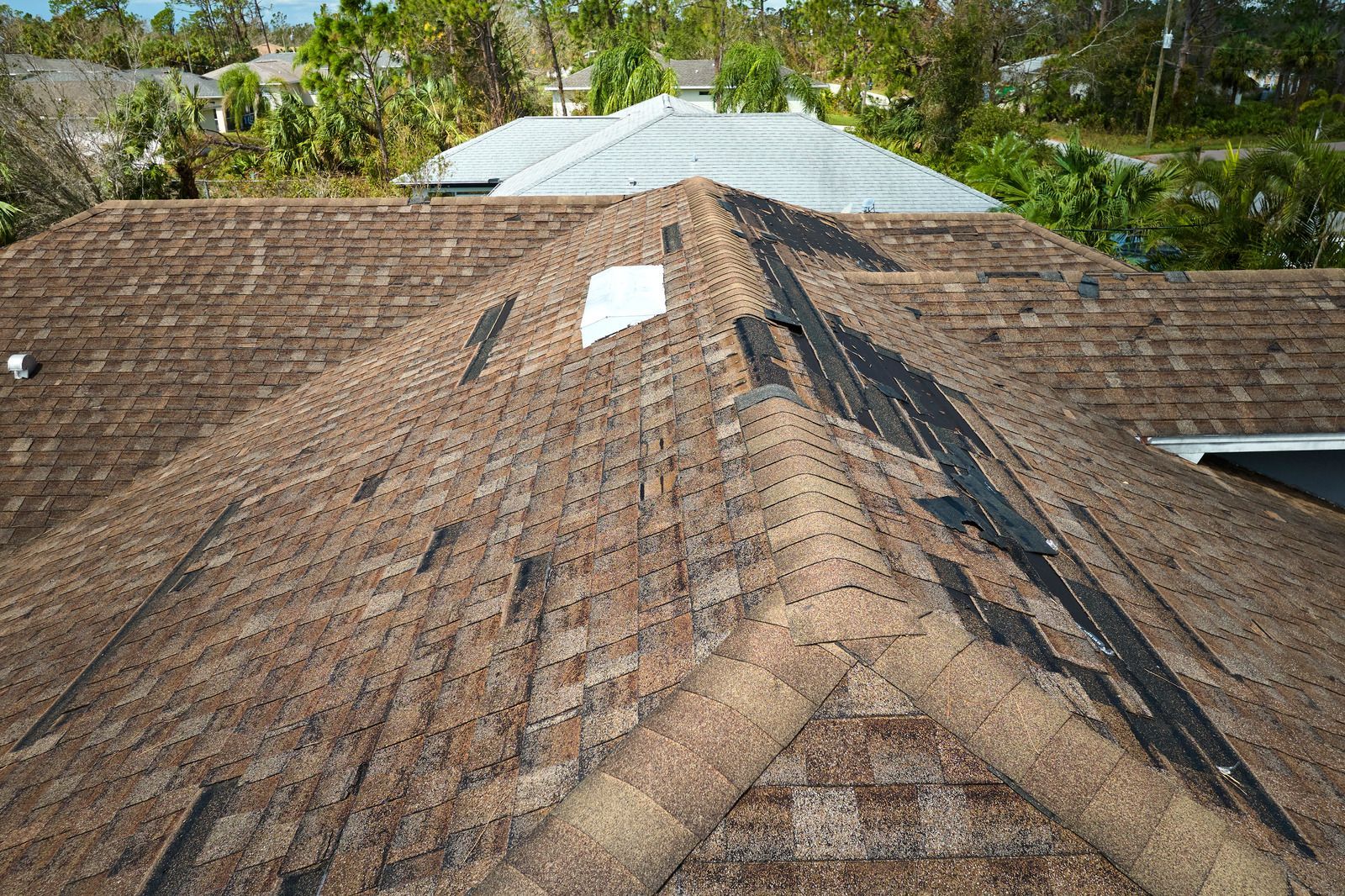
Consider a home with roof damage after a windstorm. A thorough assessment identifies hidden flashing deterioration and partial underlayment failure. A service that explains these findings, presents a clear repair plan, and provides warranty coverage demonstrates reliability. In contrast, a service that only replaces visible shingles without inspection may leave the roof vulnerable to future leaks and structural damage. Asking detailed questions ensures repairs address all potential risks.
Reliable Professionals Ensuring Lasting Roof Protection Services
Selecting the best roof repair service is a strategic decision that directly impacts home safety, longevity, and property value. Licensing, insurance, material expertise, reputation, communication, cost transparency, and warranty coverage are essential factors to evaluate. By conducting thorough research, requesting references, and asking targeted questions, homeowners can confidently choose a service capable of delivering durable, high-quality repairs. Real-world examples highlight the importance of professional assessment and problem-solving, reinforcing the value of informed decision-making.
At Valley Roofing LLC, over 35 years of expertise in Southington, Connecticut, reflects a commitment to excellence, trust, and precision in every roof repair. Services combine technical proficiency, high-quality materials, and transparent communication, ensuring homeowners receive lasting protection and peace of mind. With decades of experience handling diverse roofing challenges, Valley Roofing LLC remains a reliable partner for roof repair, delivering comprehensive solutions that prioritize safety, durability, and satisfaction. Choose Valley Roofing LLC for proven expertise, personalized guidance, and results homeowners can depend on for years to come.