Common Roof Problems Homeowners Overlook (and How to Spot Them Early)
April 9, 2026
Roofs are more than just the top layer of a home—they serve as the first line of defense against the elements. Yet, many homeowners focus primarily on aesthetics or immediate leaks, often overlooking subtle signs of damage that could escalate into costly repairs. A roof in peak condition not only protects a home but also contributes to energy efficiency, structural integrity, and overall property value. Understanding common roof problems and spotting them early is crucial for preventing minor issues from becoming major disasters.
Despite this, homeowners frequently miss warning signs due to a combination of inaccessibility, lack of awareness, and assumptions that “no visible damage” means everything is fine. Shingles curling, granule loss, or minor flashing issues often go unnoticed until a storm exposes more serious vulnerabilities. Identifying these problems early allows for timely intervention, reducing repair costs, extending roof lifespan, and ensuring home safety. This guide highlights the most commonly overlooked roof issues, explaining how to recognize them before they escalate. By taking a proactive approach, homeowners can protect investments, avoid emergencies, and maintain peace of mind.
1. Shingle Damage and Wear
Curling, Cracking, and Missing Shingles
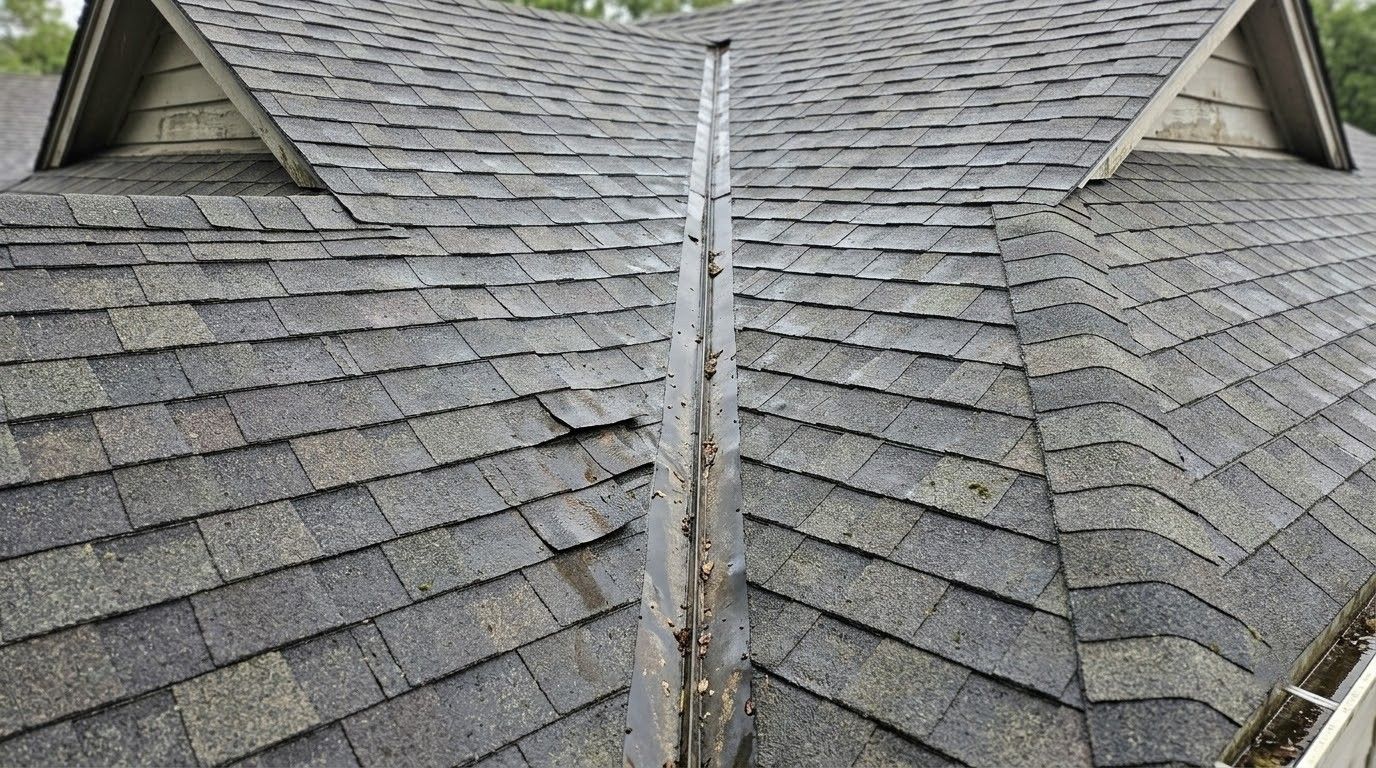
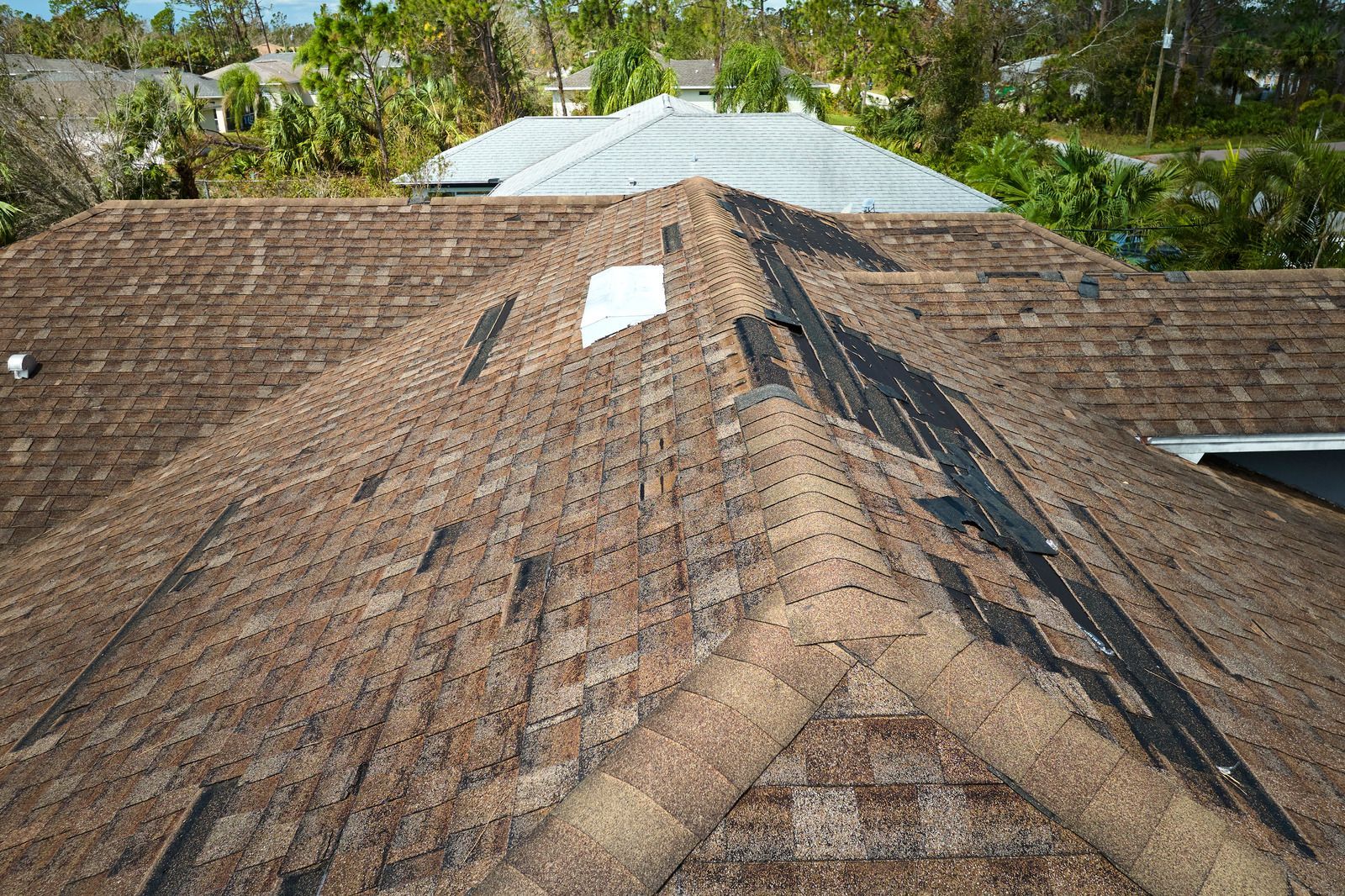
Shingles act as the roof’s primary protective barrier against weather elements. Over time, exposure to UV rays, fluctuating temperatures, and severe weather conditions can cause shingles to curl, crack, or detach entirely from the roof surface. Curling shingles often signal that the material is aging prematurely or that ventilation is inadequate, trapping heat and moisture beneath the roof structure. Cracked or missing shingles increase vulnerability to water infiltration, leading to structural damage, weakened roof integrity, and potential mold growth over time.
Spotting Early Signs:
- Inspect the roof from the ground using binoculars, noting any edges curling upward unusually.
- Look for granule accumulation in gutters, which clearly indicates accelerated shingle wear.
- Check for uneven roof lines or dips that could signal movement or underlying damage.
Benefits of Timely Action
Replacing even a few damaged shingles promptly prevents water leaks, maintains insulation efficiency, and preserves the roof’s structural integrity. Ignoring minor shingle issues often results in widespread damage that eventually necessitates full roof replacement, significantly increasing costs unnecessarily.
2. Flashing Issues
What Is Flashing?
Flashing consists of thin metal strips installed around roof penetrations such as chimneys, vents, skylights, and valleys. Its primary purpose is to direct water away from these vulnerable points and prevent leaks that could compromise structural elements. Damaged, bent, or improperly installed flashing is a common but often overlooked cause of serious roof failure and water intrusion over time.
Signs of Flashing Damage
- Rusted, bent, or loose metal around chimneys, vents, or roof edges
- Water stains appearing on ceilings or walls near roof penetrations
- Missing sealant or noticeable gaps along flashing edges or seams
Real-World Scenario
A small gap around chimney flashing can allow water to slowly seep into the roof deck, causing wood rot and mold development over several months. Such damage often goes unnoticed until extensive ceiling and structural damage appears inside the home.
Preventive Measures
- Schedule regular inspections of all roof penetrations, including vents and skylights.
- Ensure flashing is properly sealed and metal components remain rust-resistant.
- Address even minor damage immediately to avoid expensive and preventable structural repairs.
3. Gutter and Drainage Problems
The Role of Gutters in Roof Health
Gutters protect both the roof and the home’s foundation by directing rainwater safely away from the property. Clogged or damaged gutters can create standing water, accelerating shingle deterioration, causing ice dams during winter months, and promoting water intrusion into interior spaces. Proper drainage is a critical but often overlooked aspect of roof maintenance.
Common Overlooked Issues
- Debris accumulation causing blockages and restricted water flow
- Loose, sagging, or improperly aligned gutters preventing proper drainage
- Downspout obstructions leading to water pooling near the foundation
Spotting Early Warning Signs
- Overflowing water during rainfall, indicating potential blockages or gutter damage
- Moss or algae growth along roof edges and gutter lines
- Soil erosion or water pooling near the home’s exterior perimeter
Best Practices
- Clean gutters at least twice annually, or more frequently if trees are nearby
- Install gutter guards to reduce debris accumulation and prevent clogs
- Inspect gutters for rust or loose fasteners, tightening or replacing them as needed
4. Roof Ventilation and Insulation Concerns
Importance of Proper Ventilation
Inadequate ventilation traps heat and moisture in the attic, accelerating shingle deterioration and increasing energy costs noticeably. Poor airflow also contributes to ice dam formation in colder climates and fosters mold growth, which negatively affects indoor air quality and roof longevity. Proper attic ventilation is essential for overall roof performance and safety.
Signs of Ventilation Problems
- Excessive heat buildup in the attic, noticeable in upper-level rooms during summer
- Condensation or frost accumulation in the attic during winter months
- Premature shingle aging, curling, blistering, or granule loss due to trapped moisture
Expert Recommendations
- Verify the attic has balanced intake and exhaust vents to allow proper airflow
- Inspect insulation for adequate coverage and ensure absence of moisture accumulation
- Consider ridge vents or soffit vents to improve circulation and roof efficiency
Benefits of Addressing Early
Correcting ventilation and insulation issues prevents roof damage, reduces energy bills, and extends the life of roofing materials significantly. Homes with proper airflow maintain consistent interior temperatures and avoid structural stress caused by trapped heat and moisture.
5. Ice Dams and Winter Roof Damage
How Ice Dams Form
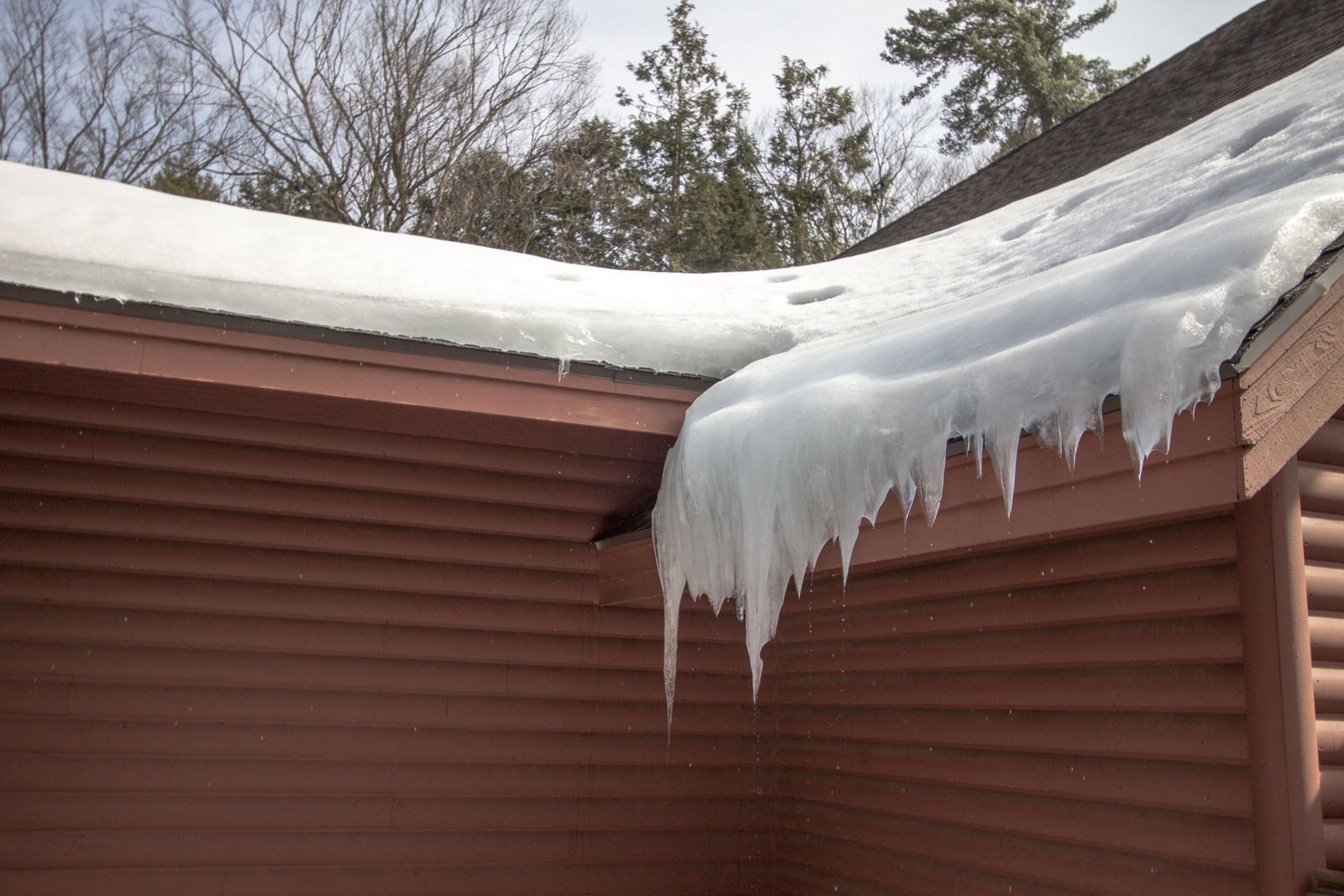
Ice dams occur when heat escaping from the attic melts snow on the roof, which then refreezes at the eaves’ edges. This creates a barrier preventing water from draining off the roof, resulting in leaks, water damage, and potentially hazardous icicles forming along the home. Ice dams are especially dangerous in regions with heavy snowfall and fluctuating temperatures.
Warning Signs
- Water stains along interior ceilings, especially near exterior walls
- Icicles forming along eaves with unusual thickness or irregular shapes
- Shingle damage or lifted shingles observed along roof edges
Real-World Impact
Even minor ice dams can allow water to infiltrate insulation and interior walls, damaging drywall, flooring, and electrical systems. These problems often escalate quickly if left unaddressed, leading to significant repair expenses.
Preventive Measures
- Ensure proper attic insulation to minimize heat loss and prevent snow melting
- Install roof and gutter heating cables in areas prone to ice accumulation
- Safely clear snow from roof surfaces when feasible to reduce dam formation
6. Mold, Algae, and Moss Growth
How Moisture Leads to Biological Growth
Persistent moisture creates ideal conditions for mold, algae, and moss growth. These organisms can damage shingles, compromise structural integrity, and negatively affect indoor air quality if not treated promptly. Over time, unchecked growth may lead to costly roof repairs and maintenance challenges.
Indicators of Growth
- Black streaks, green patches, or discoloration appearing on shingles
- Musty odors detected in attic or upper-level rooms
- Slippery surfaces along roof walks or walkways adjacent to the home
Practical Solutions
- Trim overhanging branches to reduce shade and improve roof drying time
- Install zinc or copper strips along the roof ridge to inhibit biological growth
- Inspect and clean roof surfaces regularly to prevent buildup of moss or algae
Benefits of Early Action
Addressing biological growth promptly prevents structural damage, maintains curb appeal, and avoids costly remediation later. Routine roof cleaning and regular inspections are essential for ensuring long-term roof health and longevity.
7. Minor Leaks That Escalate
Why Small Leaks Are Dangerous
Small leaks often remain unnoticed until significant interior damage occurs. Water can infiltrate insulation, framing, and ceilings, causing structural degradation, mold growth, and compromised safety. These minor leaks have the potential to escalate quickly if left unaddressed.
Early Detection Tips
- Monitor ceilings and attic spaces for subtle discoloration or damp spots
- Check roof valleys, vents, and penetrations for small drips or stains
- Pay attention to musty odors, which frequently signal hidden water intrusion
Mitigation Strategies
- Apply sealants or repair patches immediately when leaks are discovered
- Conduct regular roof inspections, especially after storms or heavy rainfall
- Maintain all roof components, including flashing, shingles, gutters, and vents
Long-Term Benefits
Early leak detection prevents costly emergency repairs, maintains home safety, and preserves the roofing investment. Regular inspection and timely maintenance save both time and money while extending overall roof lifespan.
Trusted Experts Ensuring Long-Lasting Roof Protection
Proactively identifying roof problems can save homeowners from extensive repairs, unexpected costs, and compromised home safety. Issues such as shingle damage, flashing failures, poor drainage, inadequate ventilation, ice dams, biological growth, and small leaks often go unnoticed until they escalate. Regular inspections, prompt repairs, and preventative measures play a crucial role in maintaining roof performance, protecting structural integrity, and enhancing energy efficiency.
Valley Roofing LLC, based in Southington, Connecticut, brings over 35
years of hands-on experience in roof inspection, repair, and maintenance. Our approach combines deep industry knowledge with a commitment to reliability and excellence. Every roof assessment emphasizes early detection of overlooked issues, ensuring timely solutions that prevent costly damage. By leveraging decades of expertise, we provide clear guidance, high-quality repairs, and peace of mind for homeowners. Trust Valley Roofing LLC
to safeguard your investment with thorough inspections,
expert repairs, and proactive maintenance
strategies tailored to your home’s unique needs. Our decades-long dedication ensures roofs stay strong, safe, and long-lasting.