How Long Does a Roof Last in Connecticut? Key Factors That Affect Lifespan
March 7, 2026
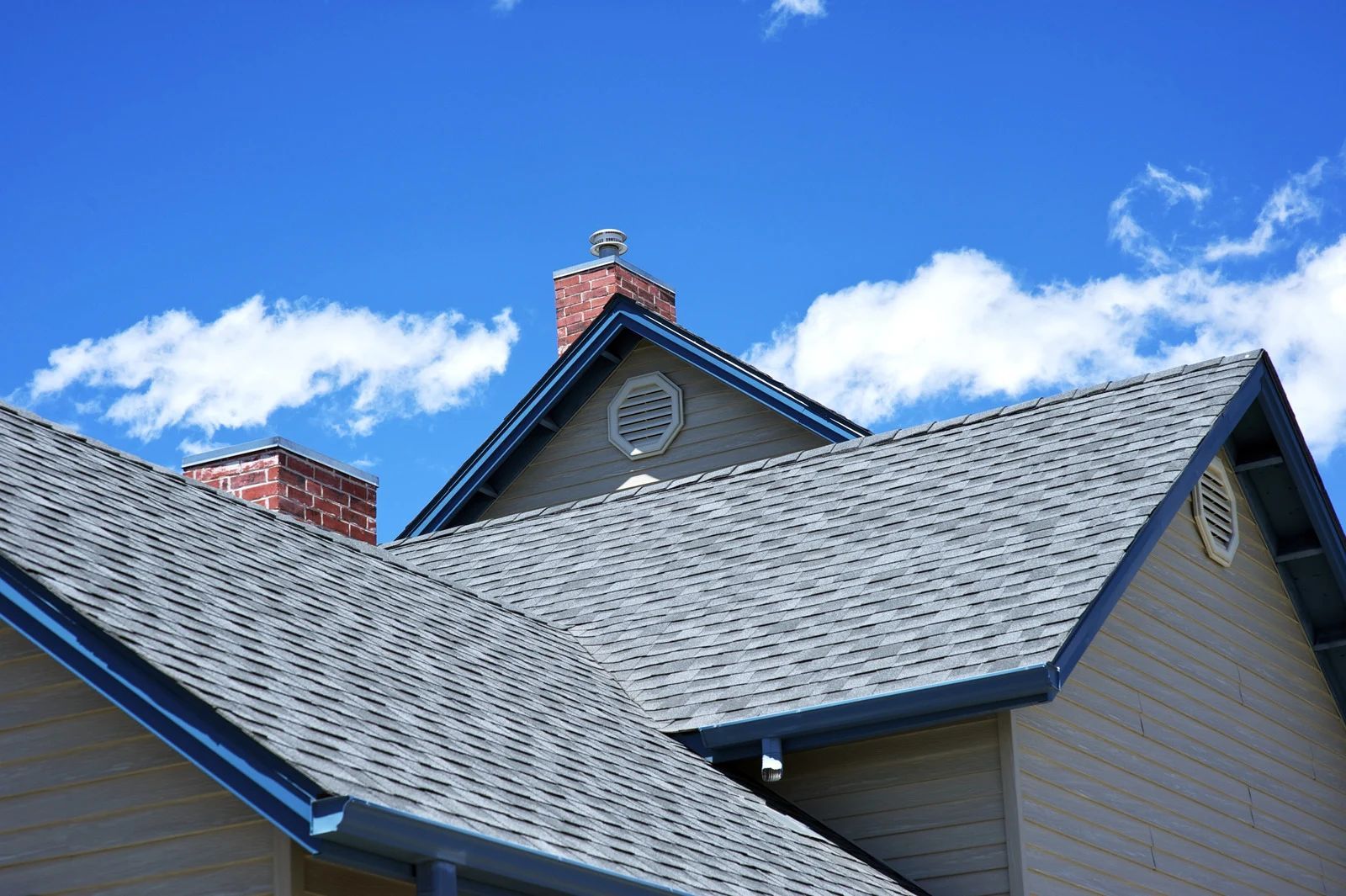
When it comes to protecting your home, few elements are as crucial as the roof. In Connecticut, where weather conditions vary significantly throughout the year, understanding how long a roof lasts is essential for homeowners, property managers, and real estate investors alike. A roof does more than shield your property from rain, snow, and wind—it also plays a key role in energy efficiency, structural integrity, and the overall aesthetic appeal of your home. The condition of your roof can influence heating and cooling costs, affect home insurance premiums, and even impact property resale value. Knowing the expected lifespan of your roof allows for better maintenance planning, budgeting for replacements, and avoiding costly damage from unexpected leaks or structural failures. For many homeowners, proactive care is not just about saving money—it’s about preserving the safety and comfort of the entire household.
Connecticut experiences a unique blend of weather extremes, from heavy winter snowfall to humid, hot summers, which can significantly impact roofing materials over time. Different roofing materials, installation techniques, and maintenance practices contribute to the variability in longevity, making informed choices critical. Additionally, factors like roof pitch, sun exposure, and surrounding vegetation can accelerate wear if not properly managed. Homeowners who understand these factors are better equipped to make informed decisions about repairs, preventive care, and full roof replacements. By being aware of the environmental and structural challenges specific to the region, Connecticut homeowners can take actionable steps to ensure their roofs remain durable, safe, and aesthetically appealing for decades to come. In this article, we explore the average lifespan of various roofing types in Connecticut, the key factors that influence their durability, and practical strategies to extend the life of every roof.
Average Lifespan of Roofing Materials in Connecticut
Asphalt Shingles
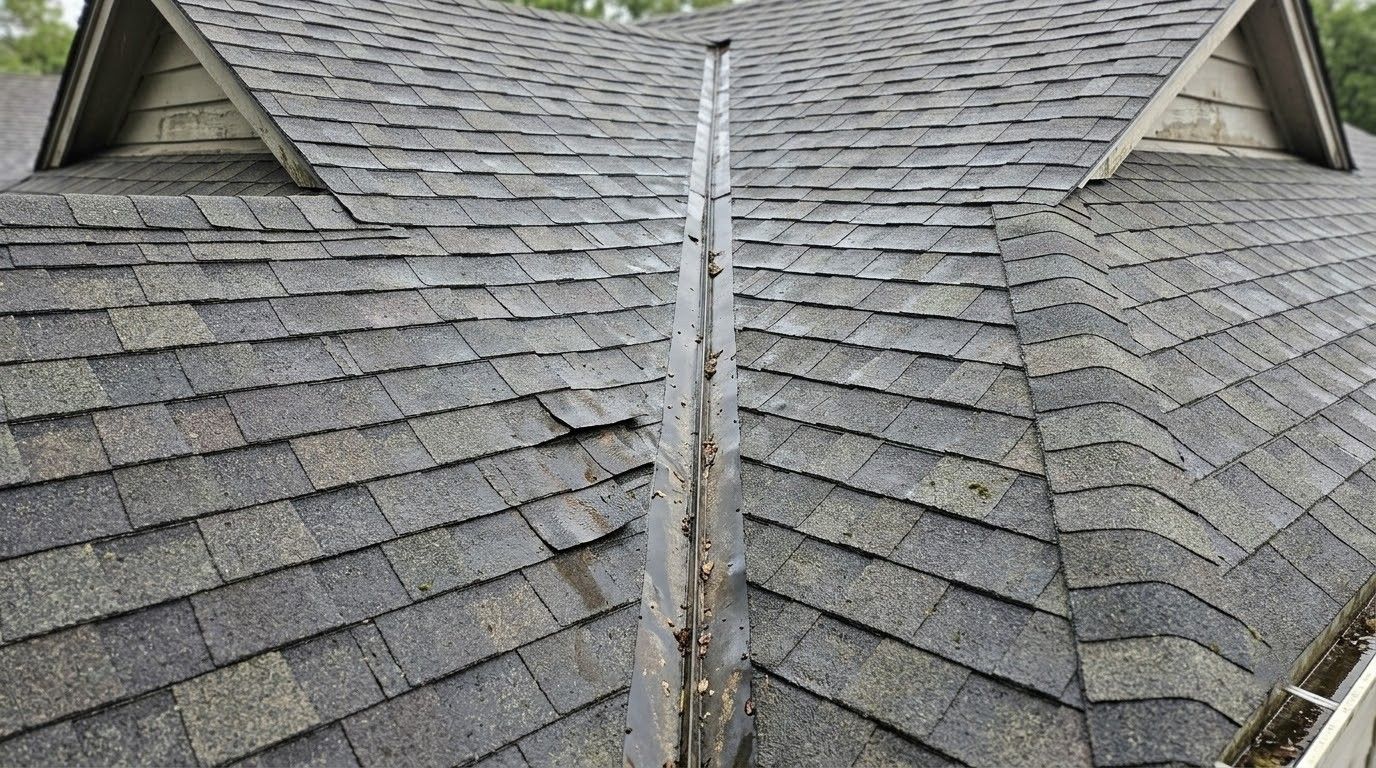
Asphalt shingles are among the most popular roofing materials in Connecticut due to their affordability and ease of installation. Typically, a standard asphalt shingle roof lasts between 20 to 30 years. Architectural or laminated shingles, which are thicker and more durable, can extend this lifespan to 30–40 years under optimal conditions. Factors such as the quality of the shingles, the slope of the roof, and exposure to wind and UV rays play a significant role in determining the actual longevity.
Metal Roofing
Metal roofs are increasingly popular in the Northeast because they offer exceptional durability and resistance to extreme weather. In Connecticut, a well-maintained metal roof can last 40 to 70 years. Aluminum, steel, and copper roofing each have specific advantages: steel is highly resistant to wind damage, aluminum is lightweight and corrosion-resistant, and copper offers unmatched longevity with minimal maintenance. Proper installation and occasional inspections are essential to maximize a metal roof’s lifespan.
Wood Shingles and Shakes
Wood roofs provide a classic and aesthetically pleasing look, but they require more maintenance than asphalt or metal. Cedar shingles and shakes typically last 25 to 30 years in Connecticut, depending on the quality of the wood and preventive measures against rot, mold, and insect damage. Regular treatments and cleaning can help extend their lifespan, but homeowners must be vigilant during periods of heavy rain or snow to prevent water damage.
Slate and Tile Roofing
Slate and clay tiles are known for their durability and long life, often exceeding 50 years, with some slate roofs lasting over a century. While the initial installation cost is higher, these materials provide superior resistance to wind, fire, and UV damage. In Connecticut, slate roofs are particularly advantageous for homes in areas prone to heavy snowfall, as they can withstand substantial weight without deteriorating.
Climate Impact on Roof Longevity
Winter Weather Challenges
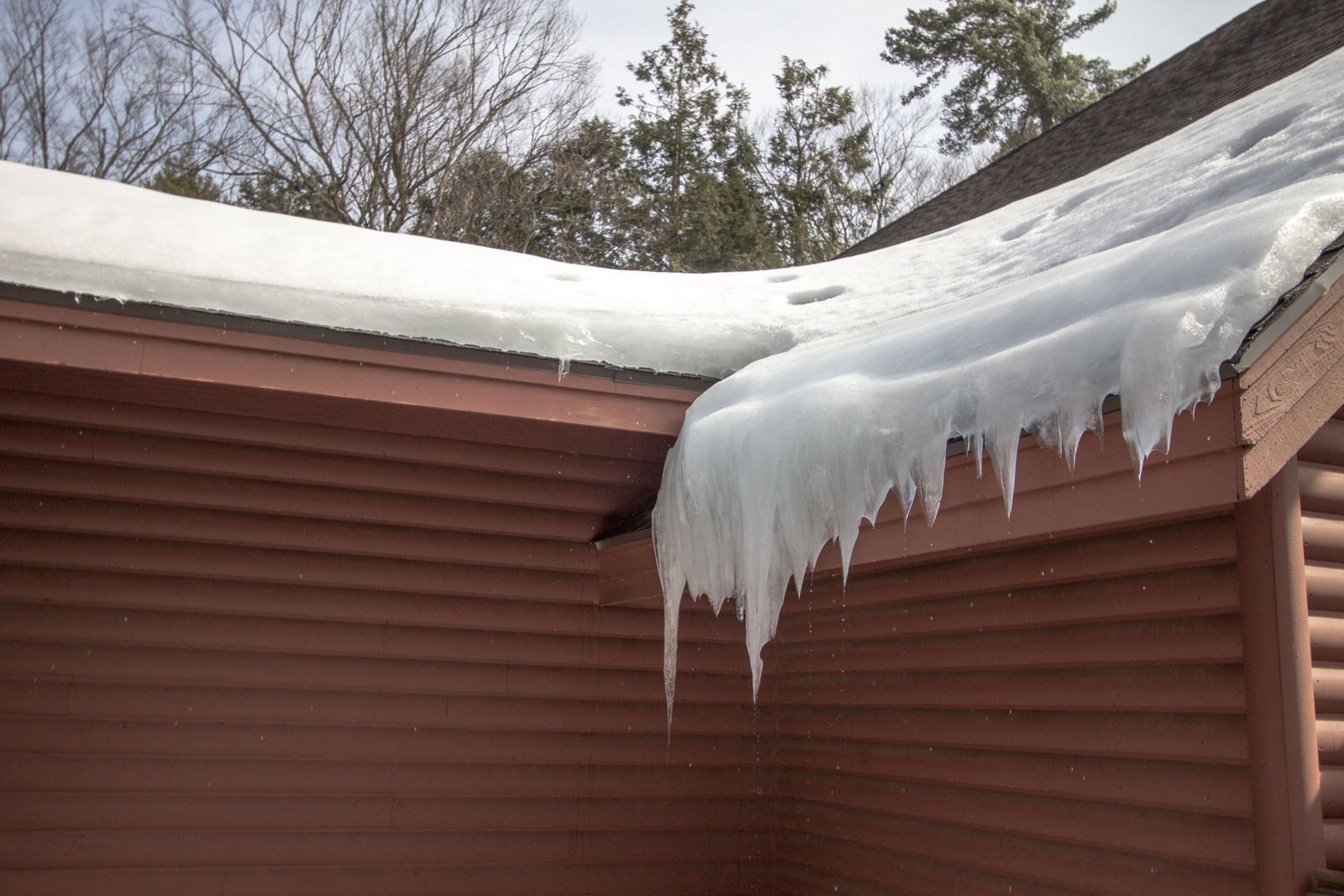
Connecticut winters can be harsh, with heavy snowfall, ice storms, and fluctuating temperatures. Snow accumulation increases roof load, and ice dams can form along eaves, trapping water that may seep under shingles or roofing panels. Repeated freeze-thaw cycles can lead to cracks, warping, or shingle delamination. Proper insulation and ventilation are critical preventive measures to reduce winter-related damage.
Summer Heat and Humidity
While winters are challenging, summers in Connecticut present their own threats. High temperatures and direct sunlight can cause shingles to crack, warp, or lose granules prematurely. Humidity and frequent rainfall may promote mold, algae, and moss growth, especially on wood or asphalt shingles. Homeowners should monitor their roofs for discoloration or soft spots during humid months and consider treatments or coatings to reduce moisture-related damage.
Wind and Storm Damage
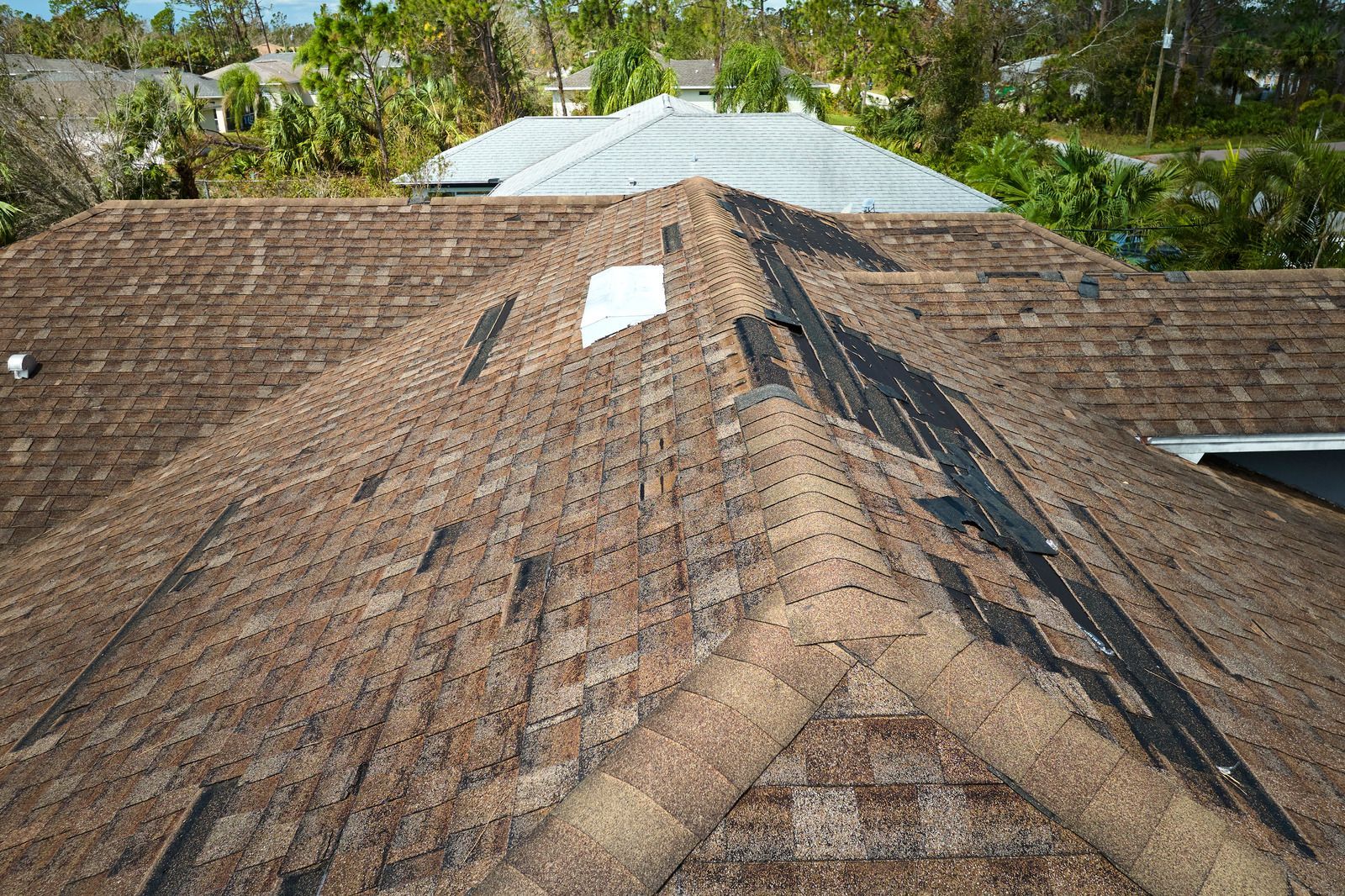
Strong winds, which can accompany Nor’easters or severe thunderstorms, can lift or damage shingles, loosen fasteners, or compromise flashing. Metal roofs, if improperly installed, may also experience denting or displacement during high winds. Regular inspections after storms are vital to identify and repair minor issues before they escalate into major problems.
Installation Quality and Roofing Techniques
Importance of Professional Installation
Even the highest-quality roofing material can fail prematurely if installation is subpar. Proper alignment, adequate nailing, and effective flashing installation are critical to prevent leaks, structural stress, and wind damage. In Connecticut, where weather conditions are variable, professional installation ensures that the roof is prepared to withstand seasonal challenges.
Ventilation and Insulation Considerations
A well-ventilated attic prevents heat buildup and moisture accumulation, both of which can significantly reduce the lifespan of roofing materials. Ridge vents, soffit vents, and proper insulation work together to maintain airflow and prevent issues like ice dams in winter or excessive heat in summer. Homes with poor attic ventilation may experience shingles curling, asphalt softening, or wood decay sooner than anticipated.
Roofing Slope and Drainage
The pitch of a roof influences how quickly water and snow are shed. Steep slopes promote efficient drainage, reducing the risk of water pooling and subsequent damage. Flat or low-slope roofs require specialized materials and additional maintenance to prevent leaks, especially during Connecticut’s rainy seasons. Ensuring gutters and downspouts are properly maintained also plays a critical role in roof longevity.
Maintenance Practices That Extend Roof Life
Regular Inspections
Annual roof inspections are one of the most effective ways to prolong its lifespan. Identifying loose shingles, damaged flashing, or early signs of rot allows homeowners to address minor issues before they become major repairs. Inspections should occur in spring and fall, as well as after significant storms.
Cleaning and Debris Removal
Leaves, twigs, and other debris can trap moisture on the roof surface, promoting mold and moss growth. Regular cleaning, particularly in shaded or tree-lined areas, reduces the risk of water damage. Pressure washing and moss treatments can be used carefully on asphalt or wood shingles to prevent surface erosion.
Prompt Repairs
Small leaks or damaged shingles should never be ignored. Water intrusion can compromise structural components, leading to more expensive repairs or even roof replacement. Timely repairs prevent deterioration and preserve the integrity of the underlying roofing system.
Protective Treatments
Applying sealants, coatings, or protective sprays can extend the life of asphalt or wood shingles by shielding them from UV radiation, moisture, and moss growth. These treatments are especially valuable in Connecticut, where seasonal changes can accelerate wear.
Environmental and Structural Factors
Tree Coverage and Landscaping
Overhanging branches can scrape shingles, drop debris, and increase the likelihood of moss growth. Strategic trimming and tree maintenance are essential to minimize roof damage. Additionally, nearby vegetation may increase moisture levels, contributing to premature wear on wood shingles.
Home Orientation and Sun Exposure
Roof sections exposed to direct sunlight throughout the day experience faster deterioration due to UV radiation. South-facing slopes, for example, may see granule loss or color fading sooner than shaded areas. Consideration of sun exposure can inform material selection and maintenance schedules.
Building Age and Structural Integrity
Older homes may have underlying structural issues, such as sagging rafters, uneven decking, or inadequate underlayment, that affect roof performance. Reinforcing the structure and upgrading underlayment during a roof replacement can significantly improve lifespan and reduce future maintenance costs.
Local Building Codes and Regulations
Connecticut has specific building codes that influence roof design, materials, and installation methods. Compliance with these standards ensures safety, durability, and insurance coverage. Homes built or renovated according to updated codes generally benefit from longer-lasting roofing systems.
Dependable Roofing Specialists Ensuring Maximum Lifespan
Understanding how long a roof lasts in Connecticut involves more than simply knowing the material type. Homeowners must consider climate impact, installation quality, maintenance practices, and environmental factors to make informed decisions about repairs and replacements. Asphalt shingles generally last 20–30 years, metal roofs can endure 40–70 years, and high-end materials like slate or tile may surpass a century with proper care. Regular inspections, preventive maintenance, and attention to structural integrity are critical strategies for maximizing roof longevity. Connecticut’s diverse weather challenges—from heavy snowfall and ice dams to summer heat and high humidity—necessitate careful planning and proactive management.
Valley Roofing LLC, based in Southington, Connecticut, brings over 35
years of experience to homeowners and businesses seeking
reliable roofing solutions. Our team of licensed and insured professionals specializes in installation, repair, and maintenance for a wide range of roofing materials, ensuring your property is protected through every season. By combining industry expertise, high-quality materials, and personalized service, Valley Roofing LLC
delivers long-lasting results and peace of mind. Whether you’re facing an aging asphalt roof, exploring metal roofing options, or maintaining a historic slate property, our knowledgeable team provides tailored recommendations and expert craftsmanship. With a commitment to durability, safety, and customer satisfaction, Valley Roofing LLC
stands as a trusted partner for all your roofing needs in Connecticut.