Emergency Roof Repair Tips for Storm Damage in Southington
February 3, 2026
Storms can strike unexpectedly in Southington, bringing heavy rain, strong winds, and hail that can severely damage roofs. The aftermath of a storm often leaves homeowners scrambling to assess the extent of damage, manage safety concerns, and secure temporary repairs until professional help arrives. Knowing how to respond quickly and effectively can save you from further property damage and reduce repair costs. Emergency roof repair is not just about fixing visible damage—it’s about preventing secondary issues such as water intrusion, mold growth, and structural weakening. Being prepared and understanding the immediate risks can also minimize personal injury and help maintain your home’s insurance coverage. Taking proactive steps before, during, and after a storm is essential for protecting your property investment.
Understanding the immediate steps to take after a storm can make a significant difference. From identifying roof damage to safely arranging repairs, homeowners need a strategic approach. In addition, having an emergency plan in place ensures that both your property and family remain protected. This guide provides practical tips and professional insights for emergency roof repair in Southington, covering everything from initial assessments and temporary fixes to professional intervention and long-term maintenance. Whether you are dealing with minor shingle loss or severe storm-related damage, these tips will help you navigate the emergency repair process confidently and efficiently. By acting quickly and following expert-recommended procedures, you can reduce stress and restore your home safely, giving you peace of mind during uncertain weather events.
1. Assessing Storm Damage Safely
Identifying the signs of roof damage
Initial Inspection After a Storm
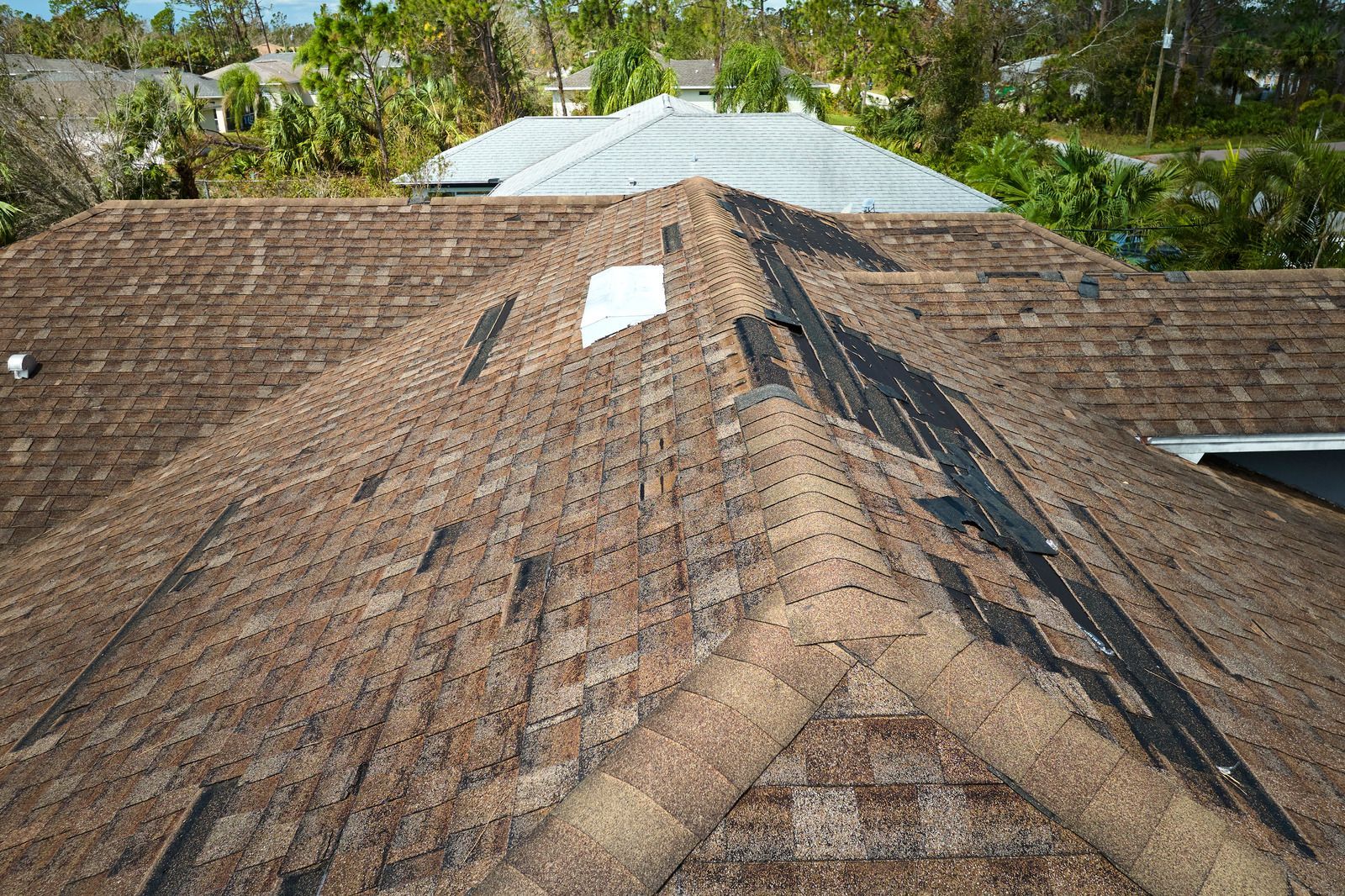
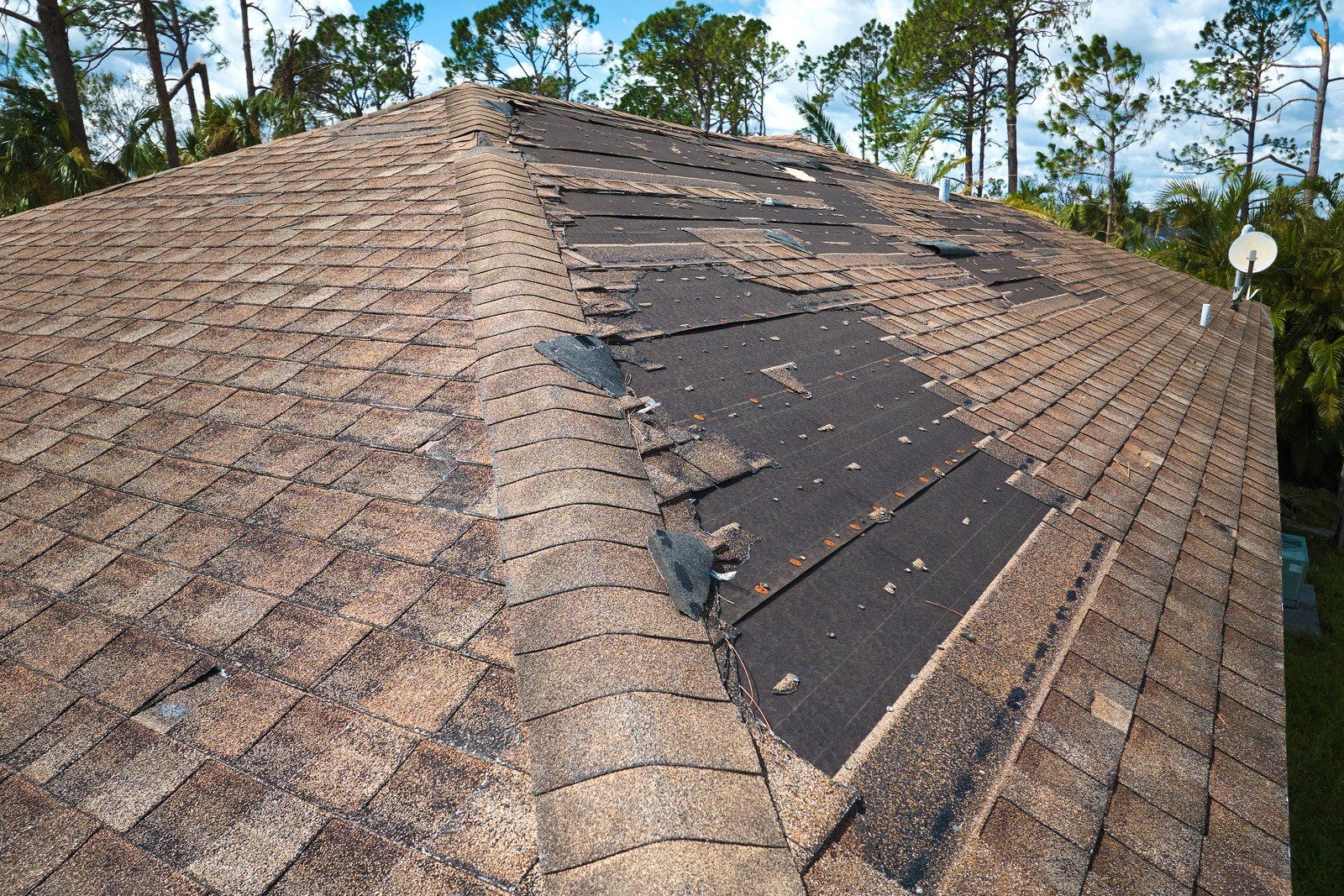
After a storm passes, the first step is a careful inspection of your roof’s condition. Look for obvious signs such as missing or broken shingles, damaged flashing, leaks, and visible gaps. Pay attention to areas around chimneys, vents, and skylights, as these are common weak points prone to water intrusion. If you notice large debris or fallen branches on the roof, avoid attempting removal yourself if it poses a safety risk.
Safety Considerations
Roof inspections can be dangerous. Slippery surfaces, unstable structures, and lingering storm debris create hazards. Avoid walking on the roof unless you have proper safety equipment, including a harness, non-slip shoes, and stable ladders. When in doubt, hire a professional inspector who can provide a thorough assessment without risking personal safety. Using binoculars from the ground can also help identify visible issues before committing to a closer inspection.
Documenting the Damage
For insurance claims and professional repairs, documentation is essential. Take clear photographs or video footage of all affected areas, noting the time and date. Include close-ups of broken shingles, dents, and leaks. Documenting storm damage not only supports insurance claims but also helps roofing contractors understand the scope of repairs required.
Real-world scenario: A Southington homeowner once avoided roof inspection immediately after a storm and discovered days later that water had infiltrated the attic, causing structural damage that could have been mitigated with prompt assessment.
2. Temporary Roof Repairs and Protection
Preventing further damage before professional help arrives
Installing a Temporary Tarp
A damaged roof can allow water to penetrate the structure, leading to significant interior damage. One of the most effective temporary solutions is covering exposed areas with a waterproof tarp. Secure the tarp with roofing nails or heavy-duty straps, ensuring that water flows away from the roof rather than pooling.
Clearing Debris Safely
Removing loose branches, leaves, and other storm debris from gutters and roof surfaces reduces the risk of clogs and water accumulation. However, only attempt debris removal from safe ground positions or with a professional if the roof is unsafe. Clogged gutters can exacerbate leaks and cause damage to fascia boards and siding.
Addressing Minor Leaks
Small leaks can be temporarily sealed using roofing tape or waterproof sealant. While these fixes are short-term, they can prevent water from seeping into insulation and structural elements until a professional repair is scheduled.
Expert insight: Temporary repairs are critical in preventing secondary damage. Even a small roof puncture can lead to mold growth and weakened structural integrity if left unaddressed.
3. Understanding Roof Damage Types
Identifying different storm-related roof problems
Wind Damage
Strong winds can lift or tear shingles, damage gutters, and expose underlayment. Signs include curled, cracked, or missing shingles, as well as debris scattered around the property. Wind damage may not be immediately obvious, making a professional inspection important.
Hail Damage
Hail can create dents, cracks, and punctures on shingles and metal roofing. These damages compromise the roof’s waterproofing and can lead to leaks over time. Homeowners should look for granular loss on shingles and indentations on metal panels.
Water Damage
Water infiltration often manifests as ceiling stains, dripping water, or sagging sections of the roof. This type of damage usually results from punctures or missing shingles and requires prompt attention to prevent structural damage.
Structural Damage
Severe storms can compromise the roof’s framing and decking. Signs include sagging areas, uneven rooflines, and creaking sounds under load. Structural damage requires immediate professional intervention, as it can pose serious safety hazards.
Example scenario: A Southington residence experienced both wind and hail damage during a summer storm. Though the shingles appeared intact, underlying water damage had begun in the attic, highlighting the importance of thorough inspection.
4. Hiring Professional Roof Repair Services
Why expert assistance is critical after storm damage
Choosing a Qualified Roofing Contractor
Select contractors with proven experience in storm damage repair, proper licensing, and insurance coverage. Look for companies that offer emergency services and have strong local reputations. In Southington, choosing a contractor familiar with the area’s weather patterns ensures a more accurate assessment and repair strategy.
Insurance Assistance
Professional contractors can help document damage for insurance purposes, prepare repair estimates, and communicate with your insurance provider. Having a reliable roofing expert streamlines the claim process and ensures that repairs meet both industry standards and policy requirements.
Timely Repairs
Storm damage repair is time-sensitive. Delaying professional intervention can lead to worsening leaks, water damage, and mold growth. Experienced roofing contractors can implement immediate fixes and schedule permanent repairs efficiently.
Best practice: Always request references, check online reviews, and confirm the contractor’s storm damage repair experience before signing a service agreement.
5. Preventative Measures for Future Storms
Minimizing future storm-related roof damage
Regular Roof Inspections
Annual inspections help detect early signs of wear and tear before storms occur. Look for loose shingles, aging underlayment, and compromised flashing. Timely maintenance extends roof lifespan and reduces vulnerability during extreme weather.
Reinforcing Vulnerable Areas
High-risk areas, such as roof edges, valleys, and around chimneys, benefit from additional reinforcement. Using high-quality materials and professional installation enhances wind and water resistance.
Cleaning and Gutter Maintenance
Keep gutters, downspouts, and roof surfaces free from debris to ensure proper water drainage. Clean systems prevent water pooling and reduce pressure on roofing materials during heavy rainfall.
Emergency Preparedness Plan
Have a storm emergency kit that includes tarps, ladders, protective gear, and a list of local roofing professionals. Knowing how to respond immediately after a storm ensures safety and reduces property damage.
Expert advice: Investing in preventive measures is far more cost-effective than emergency repairs. Proper maintenance significantly lowers repair costs and helps maintain insurance coverage compliance.
6. Post-Repair Considerations
Maintaining your roof after storm damage
Monitoring for Residual Issues
After repairs, monitor for signs of water infiltration, shingle movement, or gutter problems. Even high-quality repairs may require follow-up inspections, especially after subsequent storms.
Roof Warranty and Documentation
Ensure all repairs are documented and that warranties are provided. Proper documentation is essential for future insurance claims and verifying contractor accountability.
Long-Term Maintenance Strategy
Establish a routine maintenance schedule to address minor issues promptly. Regular inspections, minor repairs, and cleaning prolong the life of your roof and protect your home against future storm damage.
Scenario:
A Southington homeowner had emergency repairs completed after a hailstorm. By following a structured maintenance plan, they avoided major damage during the next winter storm, demonstrating the importance of proactive post-repair strategies.
Experienced Local Roofers Delivering Reliable Emergency Service
Storms in Southington can be unpredictable and damaging, but homeowners can take proactive steps to minimize risks. Assessing roof damage safely, performing temporary repairs, and understanding different types of storm-related damage are critical first steps. Professional roofing services not only provide timely and effective repairs but also assist with insurance claims and long-term maintenance strategies. Preventative measures, such as regular inspections, reinforcement of vulnerable areas, and proper cleaning, further protect your property from future storms. By following these strategies, homeowners can navigate emergency roof repairs with confidence, safeguard their homes, and reduce long-term repair costs.
For over 35
years, Valley Roofing LLC
has been a trusted roofing authority in Southington, Connecticut. Our experienced team specializes in
storm damage assessment, emergency repairs, and long-term roofing solutions. With decades of expertise, we understand the unique challenges homeowners face in Connecticut’s weather conditions and provide reliable, professional service for every project. From initial inspection to final repair, Valley Roofing LLC
combines advanced techniques with industry-leading materials to ensure your home remains protected. Our commitment to excellence, safety, and customer satisfaction has earned us a reputation as a dependable roofing partner for the Southington community. Whether you face minor shingle damage or significant storm-related repairs, Valley Roofing LLC
is dedicated to restoring your roof efficiently and professionally, giving you peace of mind when you need it most.