A Step-by-Step Guide to Roof Installation and Replacement for Homeowners
October 2, 2025

A well-installed roof is more than just a protective covering—it safeguards your home from weather, enhances energy efficiency, and adds to its overall value. It plays a vital role in keeping your family safe, maintaining indoor comfort, and preventing costly repairs caused by leaks or structural damage. A strong, durable roof also improves your home’s curb appeal and can increase property value if you plan to sell in the future. For homeowners, understanding the roof installation and replacement process is essential to making informed decisions and avoiding mistakes. By breaking down the process step by step, you can better prepare for a smooth, successful roofing project.
Step 1: Assessment and Planning
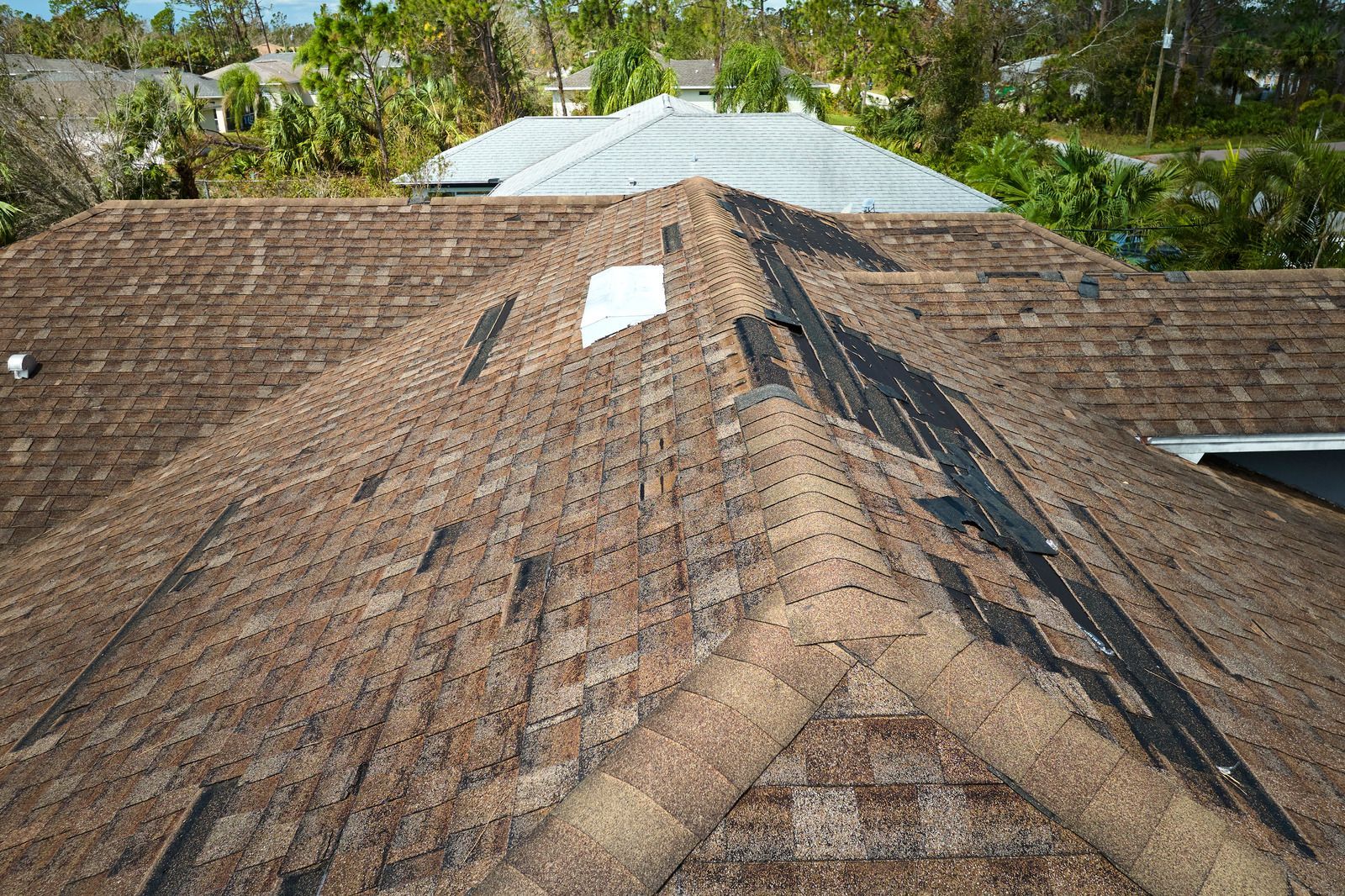
Before any installation begins, a thorough assessment of the existing roof and structure is essential. Professionals inspect for damage, rot, or structural weaknesses and determine whether a full replacement or partial repair is needed. Accurate measurements and material selection are also critical at this stage. Choosing the right roofing materials—such as asphalt shingles, metal, or tile—depends on factors like climate, budget, and aesthetic preferences. Proper planning ensures the project runs smoothly and avoids unexpected costs or delays.
Step 2: Removing the Old Roof
If replacing an old roof, the next step involves stripping away existing shingles, underlayment, and damaged components. This process uncovers the roof deck, allowing for a detailed inspection of the underlying structure. Any damaged wood or insulation is repaired or replaced to create a solid foundation for the new roofing system. Safety precautions are vital during this stage, including proper scaffolding, harnesses, and debris management.
Step 3: Installing Underlayment and Flashing
The underlayment acts as an additional barrier against moisture and leaks. It is rolled out across the roof deck and secured properly. Flashing is then installed around critical areas like chimneys, vents, and valleys to prevent water penetration. This step is essential for maintaining the roof’s durability and protecting your home from costly water damage.
Step 4: Laying Roofing Material
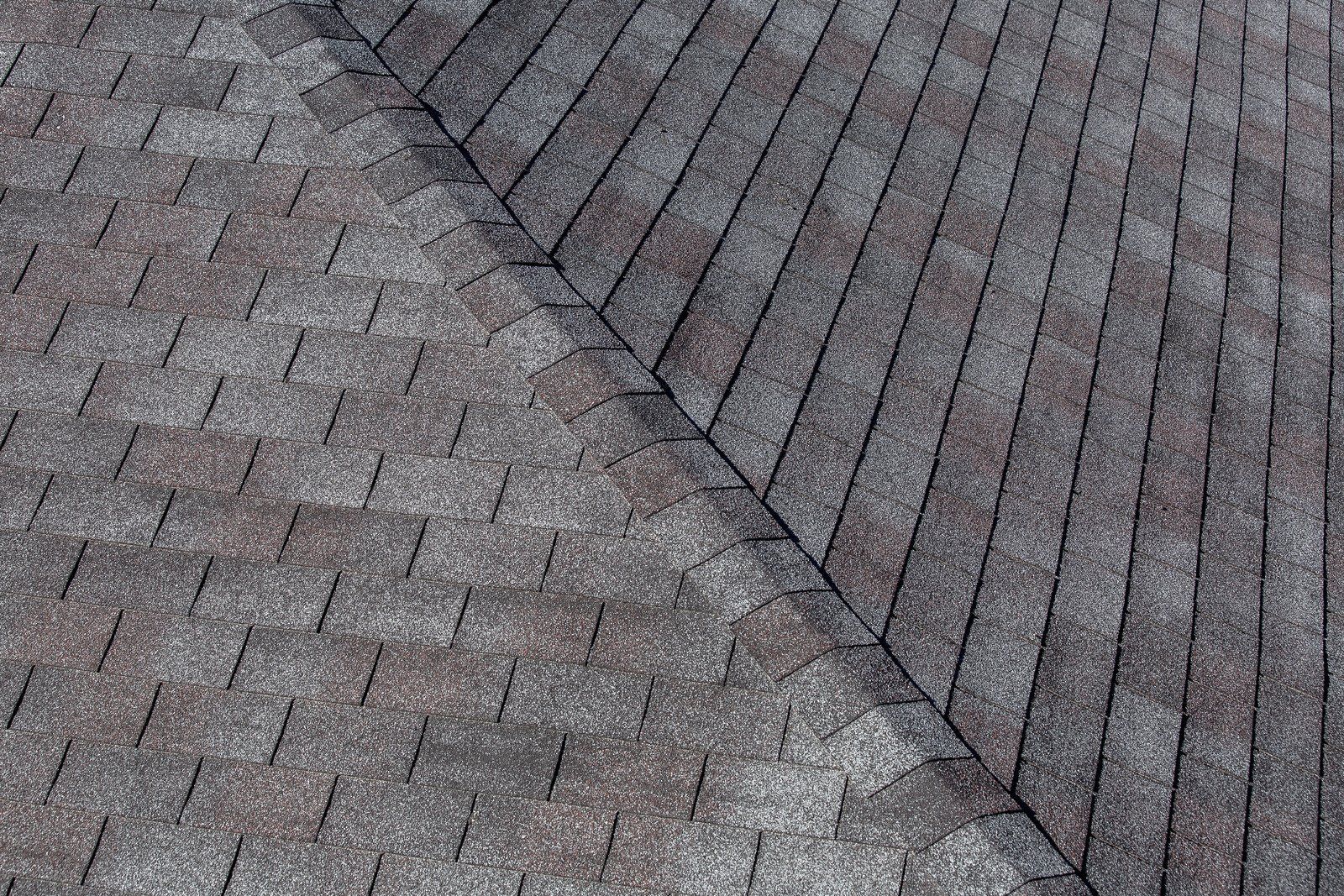
Once the underlayment and flashing are in place, the roofing material can be installed. Shingles, tiles, or metal panels are carefully aligned and secured according to manufacturer specifications. Proper installation ensures even coverage, optimal water drainage, and enhanced longevity. Professionals pay close attention to alignment and fastening to prevent future issues like leaks or shingle blow-offs.
Step 5: Inspection and Final Touches
After the installation is complete, a thorough inspection confirms that everything is properly installed. Gutters, vents, and edges are checked, and debris is cleared from the property. Homeowners are also guided on maintenance tips to prolong the life of their new roof. This final step ensures peace of mind and the highest level of protection for your home.
Conclusion: Partner with Valley Roofing LLC for Expert Roofing Services
For homeowners in Southington, Connecticut, choosing an experienced roofing company is key to achieving a flawless roof installation or replacement. Valley Roofing LLC brings over 35 years of expertise to every project, ensuring quality craftsmanship, reliable materials, and exceptional customer service. Whether you’re upgrading your current roof or installing one on a new property, our team delivers professional, efficient, and long-lasting results. Trust Valley Roofing LLC to protect your home with precision and care, backed by decades of experience serving the Connecticut community.